

Table of Contents
Introduction
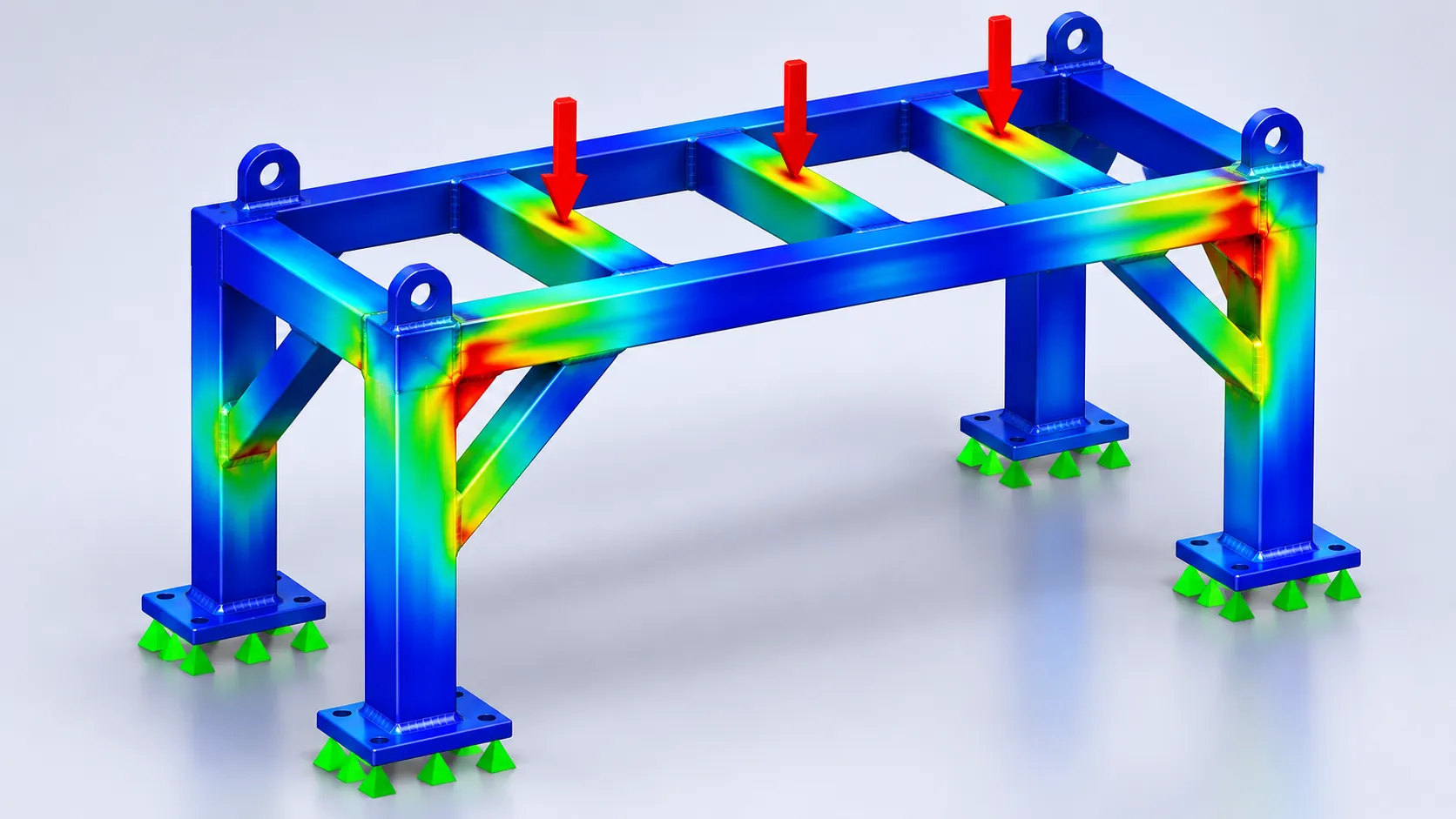
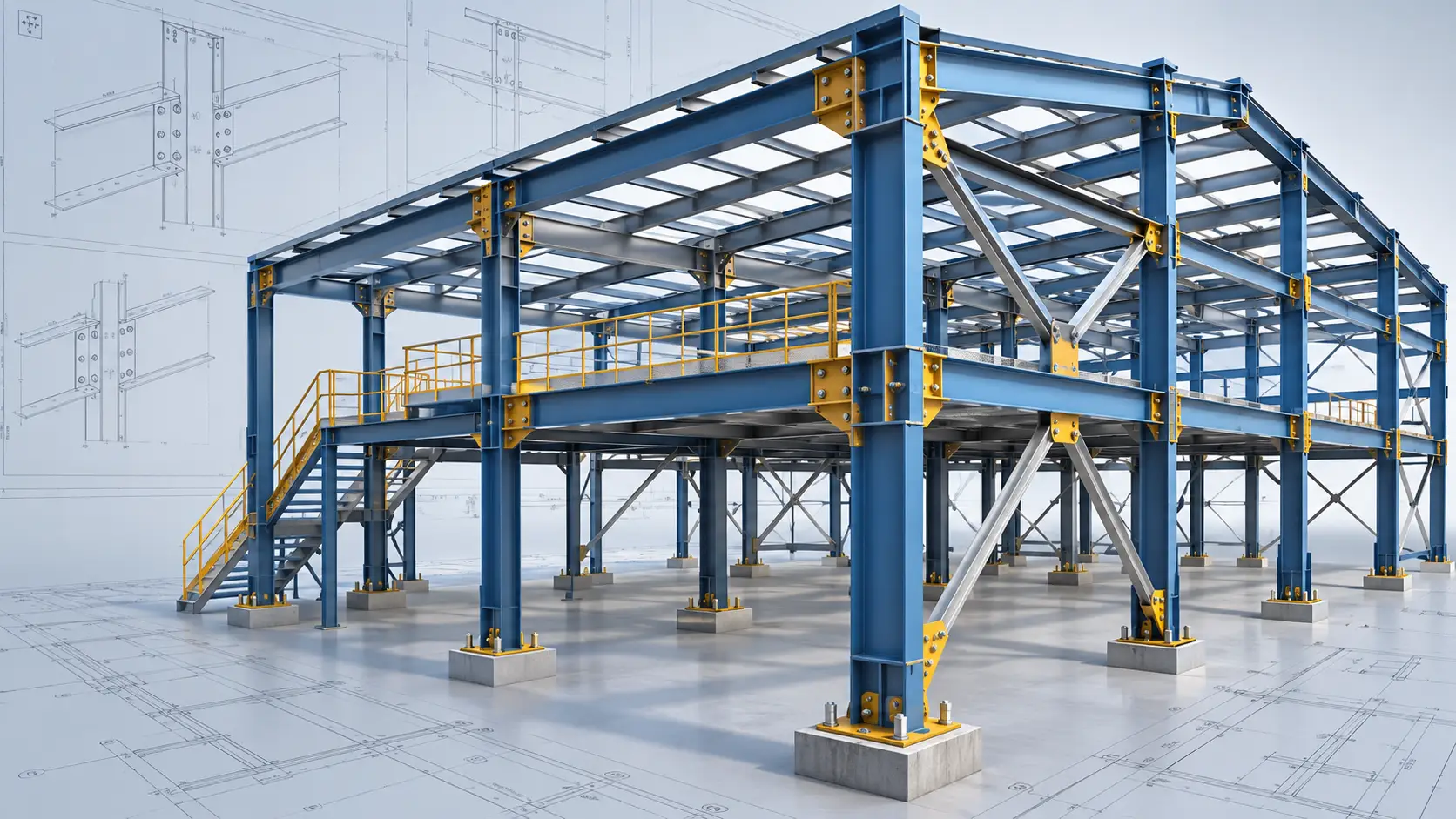
A steel structure may look well organised in a 3D model. Columns are positioned, beams are connected, bracing is in place, and the overall structure appears ready for the next stage.
But there is a difference between a structural model that looks correct and a model that can be used efficiently for fabrication.
Once the design moves from engineering to detailing, fabrication drawings, material procurement, cutting, drilling, welding, and site erection, even small coordination issues can create delays. A connection that works in the model may require additional detailing. A beam may clash with another member. A hole location may not be practical for fabrication or site installation.
This is where Steel Structure Design Coordination becomes important.
The objective is not simply to develop a structurally sound model. It is to make sure that the structural design, detailing, fabrication requirements, and erection sequence work together.
Why Structural Design and Fabrication Cannot Work in Isolation
Structural engineers generally focus on the strength, stability, loading conditions, and overall behaviour of the structure. Fabrication teams, on the other hand, need to know how each member will be manufactured, assembled, welded, drilled, transported, and installed.
Both perspectives are essential, but problems can arise when the transition between them is not properly coordinated.
Consider a steel platform or industrial building with multiple beams, columns, bracing members, base plates, and connection assemblies. The structural model may satisfy the required design conditions, but during detailing, the team may discover:
- Beam-to-column connections require additional clearance.
- Bracing members interfere with adjacent structural components.
- Bolt locations are difficult to access during installation.
- Weld details are not practical for the intended fabrication process.
- Stiffeners or connection plates conflict with other members.
- Member lengths or splice locations create transportation or erection challenges.
These are not necessarily structural design failures. They are coordination gaps between the engineering model and the practical requirements of fabrication and installation.
Addressing these issues earlier can reduce drawing revisions, avoid unnecessary fabrication changes, and help projects move more smoothly from design to production.
What Does Steel Structure Design Coordination Actually Involve?
Steel structure design coordination is the process of ensuring that structural models, connection details, fabrication drawings, and erection requirements are consistent with one another.
It involves more than checking whether individual members are positioned correctly.
The team must also consider how the structure will be divided into fabrication assemblies, how connections will be detailed, whether the required clearances are available, and how the components will come together at the project site.
For example, a structural steel frame may include:
- Columns and beams
- Bracing systems
- Base plates and anchor bolt arrangements
- Connection plates and stiffeners
- Bolted and welded connections
- Staircases, platforms, and access structures
- Secondary steel members and support brackets
Each of these components may interact with other parts of the structure. A change in one member’s position or connection arrangement can affect several other components.
This is why coordination needs to happen continuously during the design and detailing process, rather than only after the structural model is completed.
Aligning Structural Models with Fabrication Requirements
A structural model should provide more than the geometry of the structure. It should support the decisions that fabrication teams need to make.
1. Check Member Positioning and Connection Geometry
Member alignment is one of the first things to review during steel structure coordination.
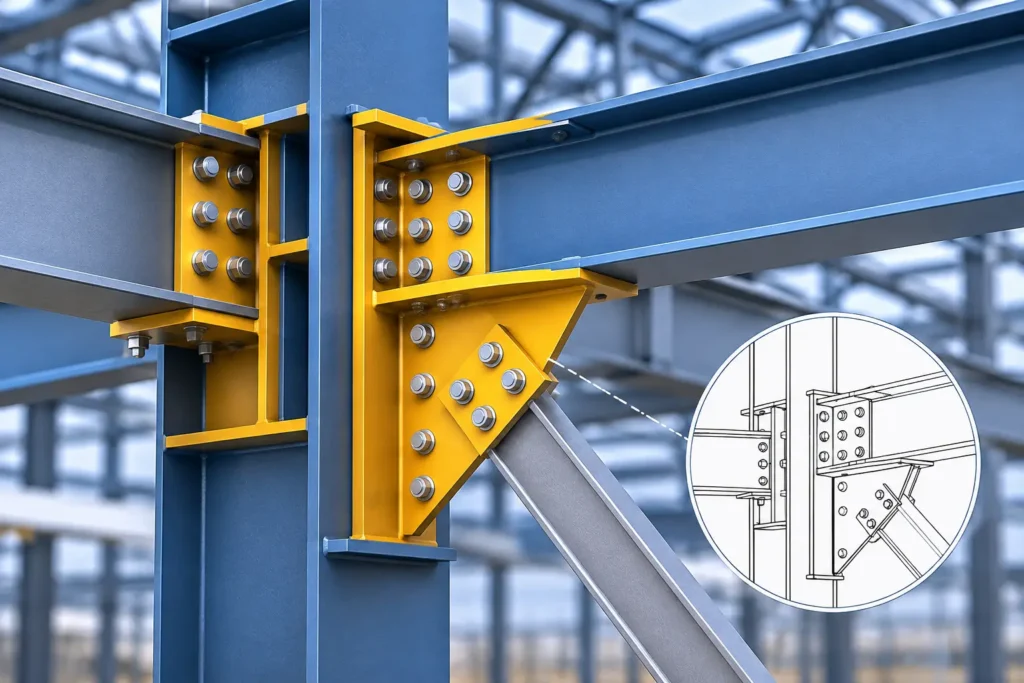
Beams, columns, braces, and secondary members should be checked for proper positioning, orientation, and connection geometry. Small differences in alignment can affect connection detailing, hole locations, plate dimensions, and the overall assembly.
A connection that appears straightforward in a general structural model may require additional work once fabrication-level details are introduced.
Reviewing these areas early helps identify potential issues before they become drawing revisions or shop-floor problems.
2. Consider Fabrication Constraints During Detailing
Not every connection arrangement that works in a model is equally convenient to fabricate.
Fabrication teams may need to consider weld accessibility, drilling operations, cutting requirements, plate thicknesses, assembly sequence, and the equipment available in the workshop.
For example, a connection with multiple plates positioned closely together may create difficulties during welding or inspection. Similarly, a component that requires an awkward fabrication sequence may increase handling time.
The idea is not to compromise structural requirements. Instead, the structural design and fabrication detailing should be coordinated so that the intended design can be manufactured practically.
3. Review Bolt Access and Erection Clearances
Connections are often checked for strength and geometry, but accessibility deserves equal attention.
Can workers position the bolts comfortably? Is there sufficient space for tools? Can the connection be assembled without interference from adjacent members? Will the components remain accessible during site erection?
These questions become particularly important in congested steel structures, industrial platforms, pipe racks, and multi-level structures.
A model-based coordination review can help identify such constraints before components reach the site.
4. Coordinate Splices, Transport, and Assembly
Large steel members may need to be divided into smaller sections for fabrication, transportation, or erection.
Splice locations therefore need to be considered alongside structural requirements and practical limitations. The location of a splice can influence fabrication planning, transportation dimensions, lifting arrangements, and site assembly.
Similarly, the model should represent the structure in a way that supports the intended erection sequence wherever those requirements are part of the project scope.
A structure that is easy to fabricate as separate components should also be planned so that those components can be assembled efficiently at the site.
How 3D Steel Structure Modelling Improves Coordination
Working with 3D steel structure models makes it easier to understand the relationship between individual members and the complete structural system.
Instead of reviewing multiple drawings independently, project teams can inspect the structure in a shared model environment.
This helps with:
- Identifying clashes between structural members
- Reviewing beam, column, and brace intersections
- Checking connection geometry and clearances
- Understanding complex structural arrangements
- Coordinating secondary steel and support elements
- Supporting fabrication and erection planning
Using tools such as Tekla Structures, detailed steel models can also be developed to support connection detailing, assembly modelling, fabrication drawings, and related production documentation.
However, the value of 3D modelling depends on how accurately the model reflects the project requirements and how effectively it is coordinated with engineering and fabrication inputs.
A detailed model alone does not guarantee fabrication readiness. It needs to be reviewed against the drawings, specifications, connection requirements, and project-specific fabrication standards.
Why Fabrication Drawings Need to Match the Structural Model
One of the common challenges in steel fabrication projects is maintaining consistency between the structural model and the drawings used for production.
When revisions are made, the corresponding drawings, connection details, material information, and fabrication outputs must be updated accordingly.
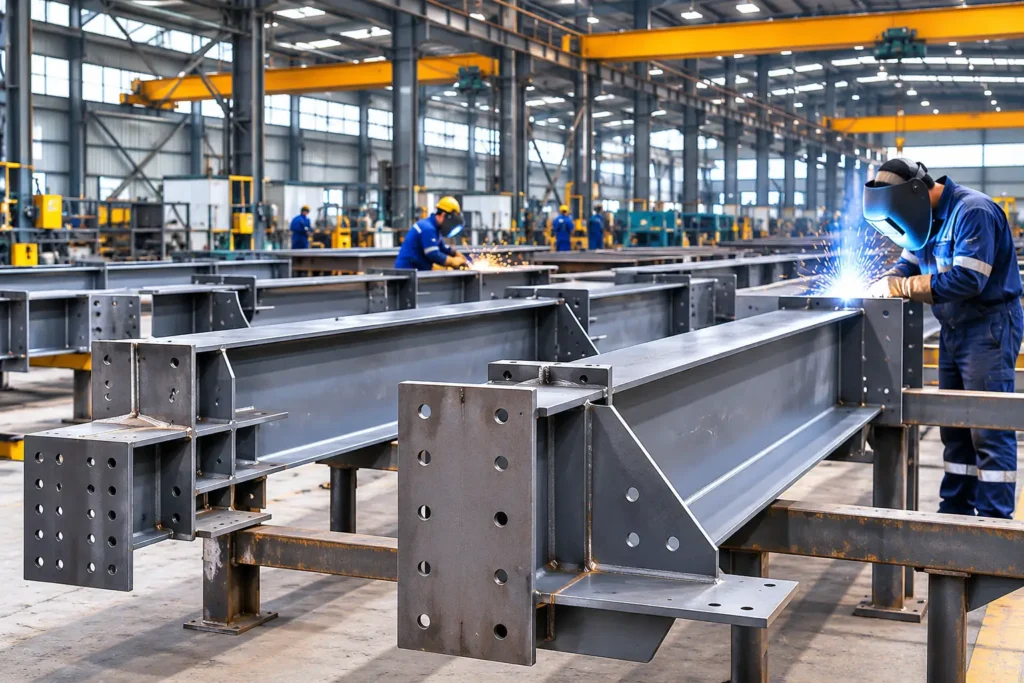
If different teams are working with different versions of the model or drawings, even a small change can create confusion.
For example, a revised beam position may affect:
- Connection plate dimensions
- Bolt-hole locations
- Adjacent member geometry
- Assembly drawings
- Erection drawings
- Material quantities
A coordinated model and drawing workflow helps reduce these discrepancies.
Fabrication drawings should communicate the information required by the workshop, including member dimensions, connection details, hole locations, weld requirements, assembly information, and other project-specific details.
The purpose is straightforward: the fabrication team should not have to interpret design intent from incomplete or conflicting information.
The Role of Tekla Modelling in Steel Structure Coordination
For projects involving complex steel structures, detailed modelling and drawing coordination can become a significant part of the engineering workflow.
Tekla Structures is commonly used for structural steel detailing, including 3D modelling, connections, assemblies, and fabrication-oriented documentation.
A properly developed Tekla model can help project teams coordinate structural members, review connections, prepare assembly information, and generate drawings that support fabrication and erection.
The model can also serve as a reference point for reviewing changes and understanding how individual components relate to the overall structure.
When structural inputs, detailing requirements, and fabrication information are coordinated effectively, the detailing process becomes easier to manage and the risk of inconsistencies between the model and drawings can be reduced.
What Happens When Coordination Is Delayed?
Coordination issues are not always immediately visible during the initial design phase. They often become noticeable when the project moves towards fabrication or site erection.
By that time, changes can have a wider impact.
A connection modification may require updated drawings. A member change may affect multiple assemblies. A clearance issue may require adjustments to surrounding components. If fabrication has already started, these changes may also result in rework, material wastage, and additional project costs.
This is why early coordination is generally more practical than resolving every issue at the fabrication stage.
A review of the structural model before final detailing and fabrication release can help identify areas that require attention while changes are still easier to implement.
How Immersiv Techsphere Supports Steel Structure Design Coordination
At Immersiv Techsphere, we support engineering projects through steel structure analysis and detailing services, with an understanding of how structural design information needs to transition into fabrication and construction.
Our Tekla modelling and structural detailing services support projects that require coordinated 3D structural models, detailed steel assemblies, and fabrication-oriented documentation.
Depending on project requirements, our work can include:
- 3D structural steel modelling in Tekla Structures
- Structural member and assembly modelling
- Steel detailing and connection coordination
- Fabrication and assembly drawings
- GA and erection drawing support
- Model review and coordination
- Structural steel detailing support for industrial and commercial projects
Our objective is to develop structural models and detailing outputs that are clear, organised, and aligned with the information required by downstream project teams.
Whether the project involves an industrial steel frame, equipment support structure, platform, access structure, or building framework, coordination between structural design and fabrication requirements remains an important part of making the model useful beyond the engineering stage.
Conclusion
Steel structure design coordination is often about catching the small things before they become bigger problems.
A connection that needs more clearance, a member that interferes with another component, or a drawing that does not reflect the latest revision may appear to be a minor issue during design. During fabrication or erection, however, these details can have a direct impact on project timelines and costs.
When structural models are developed with fabrication and erection requirements in mind, the entire workflow becomes better connected, from engineering and detailing to fabrication drawings and site assembly.
The goal is not simply to create a detailed 3D model.
It is to create structural information that teams can confidently use to take the project forward.
Frequently Asked Questions (FAQs)
Steel structure design coordination is the process of aligning structural models, connection details, fabrication drawings, and erection requirements to ensure that the structure can be detailed, manufactured, and assembled as intended.
Fabrication coordination helps identify issues such as connection conflicts, inaccessible welds, bolt clearance problems, member interference, and assembly difficulties before fabrication begins. Resolving these issues early can reduce rework, drawing revisions, and delays.
Tekla Structures supports detailed 3D steel modelling, structural detailing, connection modelling, assembly creation, and fabrication drawing generation. It helps teams visualise the structure and coordinate individual members with the overall steel framework.
Structural modelling focuses on representing the structural system, its members, geometry, and engineering requirements. Steel detailing develops the model further by defining fabrication-level information such as connections, plates, bolts, welds, holes, assemblies, and drawings needed for manufacturing and erection.
Yes. A properly coordinated 3D steel model can help identify geometry conflicts, connection issues, member interference, and dimensional inconsistencies before fabrication. It improves visibility of potential problems, although final fabrication accuracy still depends on model quality, detailing, review, and workshop processes.
Have a Project in Mind?
Need help with 3D animation, industrial visualization, HSE training animation, or product visualization? Tell us about your project and our team will get back to you.