

Table of Contents
Modern product development demands speed, accuracy and innovation. Manufacturers are expected to bring products to market faster while maintaining quality and controlling costs. Precision, efficiency, and innovation are paramount in its landscape. With the advent of new technologies, the product design development process has become more efficient and effective.
One such technology that has revolutionized the development process is 3D design engineering. A paradigm that revolutionizes the way products are conceptualized, prototyped, and brought to market.
What is 3D Design Engineering?
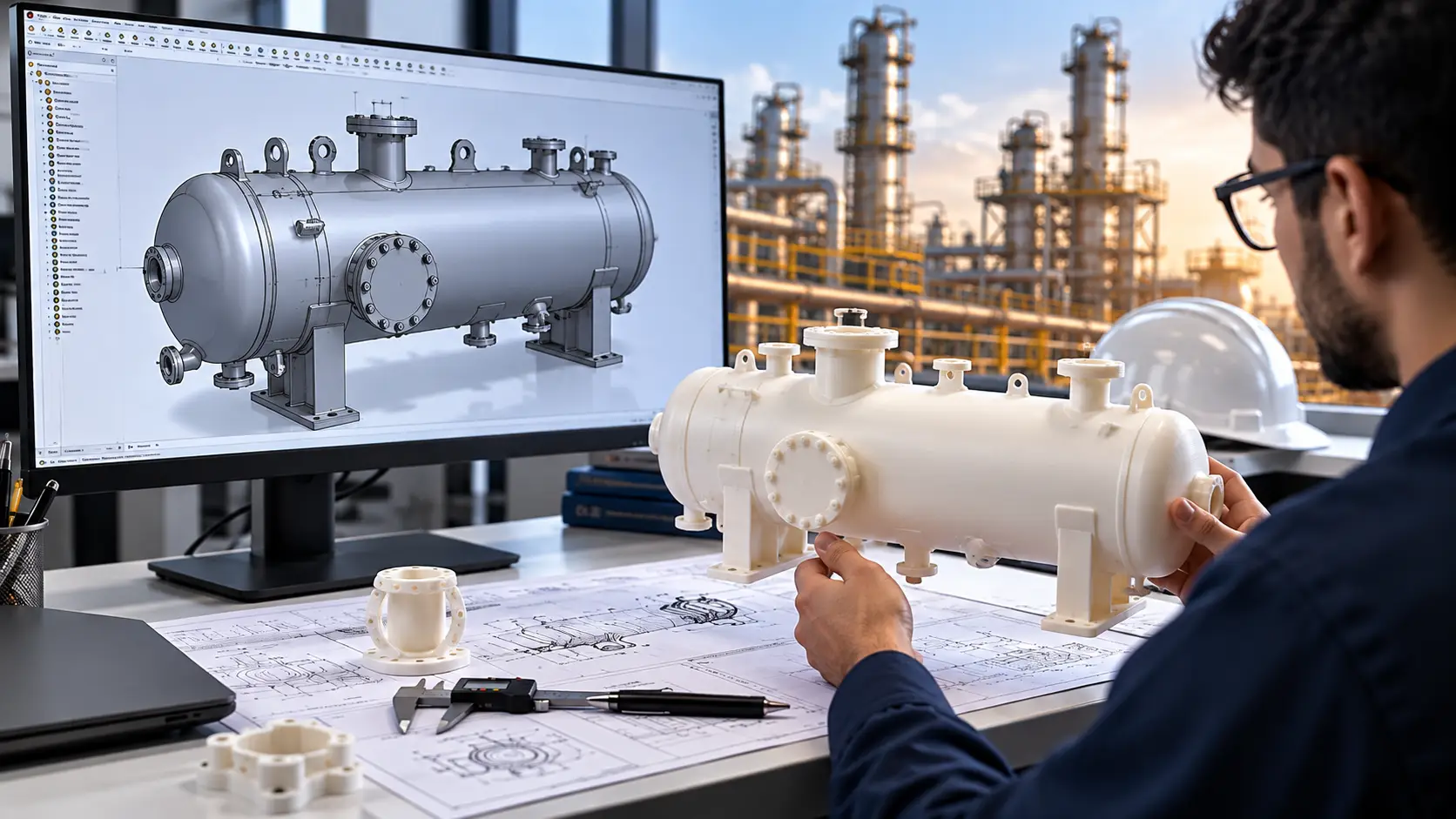
3D design engineering is the process of creating three-dimensional digital models of products. Engineers can use this model to visualize and test the product before manufacturing it. It enables a more comprehensive and immersive representation.
It involves using specialized software to simulate the physical appearance and functionality of a product in a virtual environment. This multidimensional approach allows designers and engineers to visualize, analyze, and optimize every aspect of a product.
Why Traditional Product Development Processes Create Challenges
Product development has become increasingly complex as manufacturers strive to deliver innovative, customized, and high-quality products within shorter timelines. While modern markets demand faster product launches and greater flexibility, many organizations still rely on traditional design and development workflows that can slow progress and increase costs.
Conventional product development often involves manual drafting, multiple design revisions, and the creation of physical prototypes at various stages. These processes can be time-consuming and may lead to communication gaps between design, engineering, manufacturing, and other stakeholders.
Some of the common challenges faced during traditional product development include:
- Longer design cycles due to repeated modifications and approvals
- Increased costs associated with physical prototyping
- Difficulty visualizing complex assemblies before manufacturing
- Greater risk of design errors being discovered late in the process
- Inefficient collaboration between cross-functional teams
- Delays in bringing products to market
As products become more sophisticated and customer expectations continue to rise, manufacturers need tools that enable faster decision-making, improved design validation, and better collaboration throughout the product development lifecycle. This is where 3D design engineering has become a critical component of modern product development.
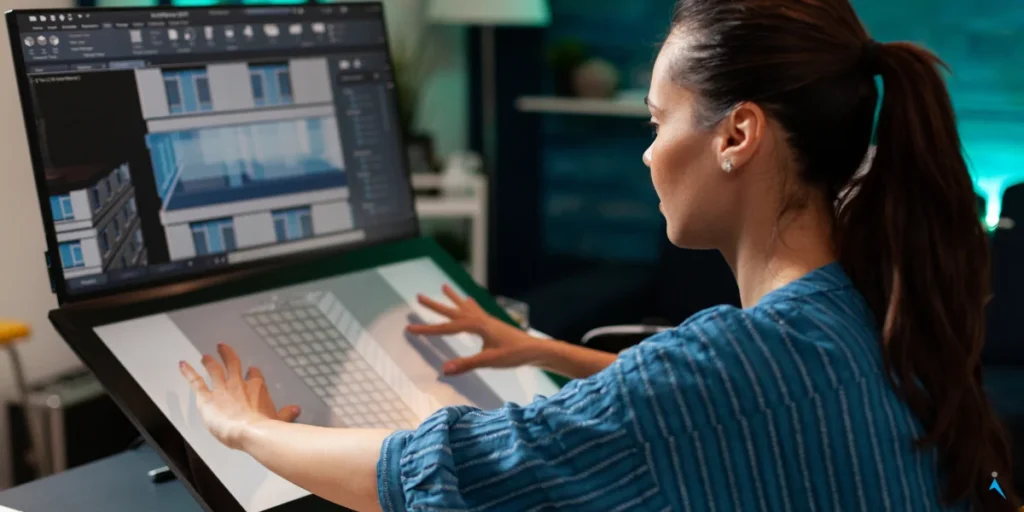
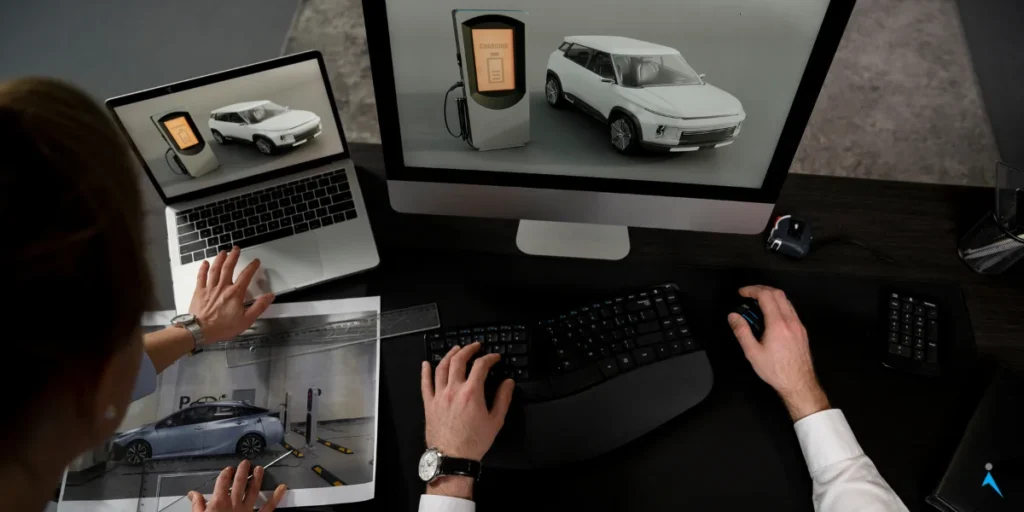
3D designs have applications in various industries, including automotive, aerospace, and consumer goods.
How 3D Design Engineering Improves Product Development
- Agile Development
3D design engineering enables faster design iterations by allowing engineers to make modifications and validate concepts digitally. Compared to traditional physical prototyping, digital models can be updated, reviewed, and shared quickly, helping teams respond to changing customer requirements and accelerate product development cycles.
- Sustainability
By reducing the need for multiple physical prototypes, 3D design engineering helps minimize material consumption and manufacturing waste. Digital design validation enables organizations to evaluate and refine products virtually, supporting sustainable product development practices while lowering overall development costs.
- Design Efficiency
3D modeling improves design efficiency by allowing engineers to visualize, evaluate, and optimize products before production begins. Potential issues can be identified early in the design stage, reducing rework, shortening development timelines, and helping organizations bring products to market faster.
- Flexible Prototyping
3D design engineering provides greater flexibility during the prototyping phase. Engineers can quickly create and modify virtual prototypes to assess different design alternatives, dimensions, and configurations without the time and expense associated with multiple physical prototypes.
- Precision and Quality
Advanced 3D modeling and scanning technologies enable highly accurate digital representations of products and components. This level of precision helps reduce design errors, improve product quality, and ensure that manufacturing processes align closely with design intent.
- Streamlined Design Development
3D design engineering enhances collaboration between design, engineering, and manufacturing teams by providing a shared visual representation of the product. This reduces communication gaps, speeds up decision-making, and streamlines the overall product development process from concept to production.
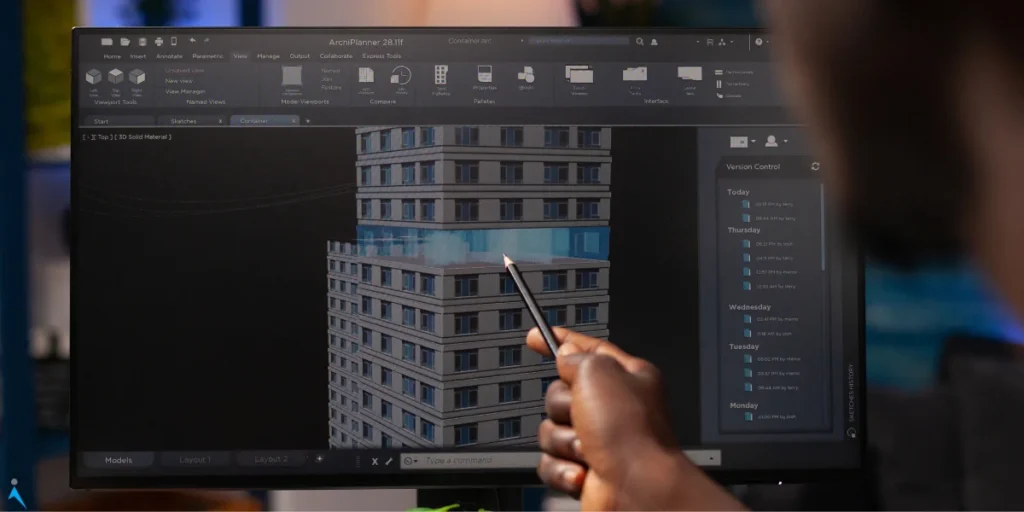
Industries Benefiting from 3D Design Engineering
- Manufacturing Industry
3D design engineering helps manufacturers validate designs, reduce development cycles, and improve collaboration between engineering and production teams. - Sheet Metal Products
Engineers can verify bend clearances, assembly fit, hardware placement, and manufacturing feasibility before fabrication begins. - Industrial Equipment
3D models help identify interference issues, maintenance accessibility, and assembly challenges before manufacturing. - Fitness Equipment
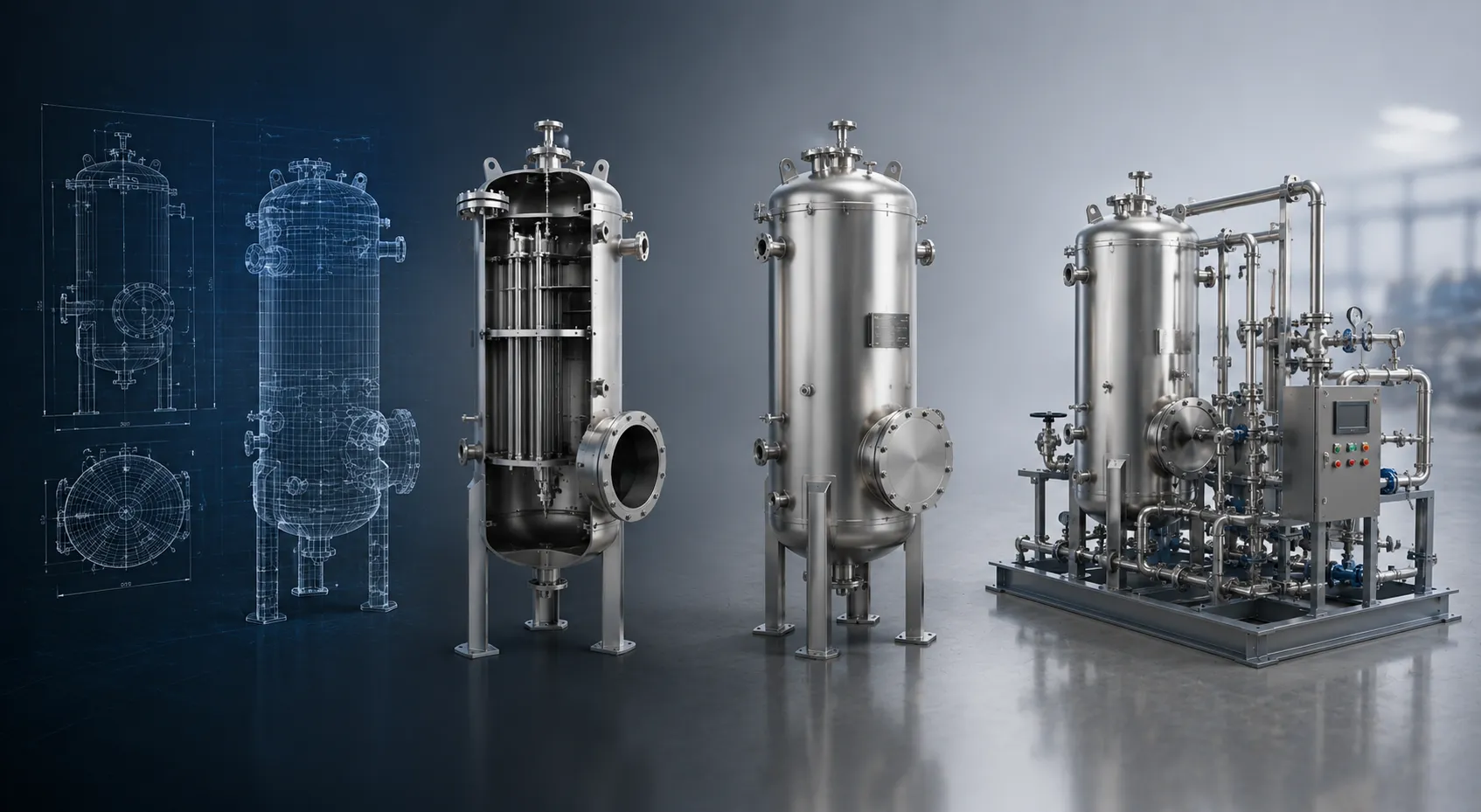
Manufacturers can evaluate ergonomics, structural performance, and multiple product variants without creating numerous physical prototypes. - Process Equipment & Pressure Vessels
Engineers can validate nozzle placement, support structures, maintenance access, and fabrication requirements during the design stage. - Furniture & Interior Products
3D visualization helps designers assess aesthetics, assembly methods, and material utilization before production.
How 3D Design Engineering Supports Digital Manufacturing
Digital manufacturing relies on accurate digital data throughout the product lifecycle, from concept development and design validation to production planning and manufacturing execution. 3D design engineering plays a crucial role in this process by creating detailed digital models that serve as the foundation for informed decision-making and efficient production workflows.
- Digital Prototyping
3D models enable engineers to create and evaluate virtual prototypes before investing in physical manufacturing. This helps identify design issues early, reduces development costs, and shortens product development cycles. - Design Validation
Engineers can analyze product fit, functionality, assembly requirements, and manufacturability within a virtual environment. Early validation minimizes the risk of costly design changes during later stages of development. - Manufacturing Drawings & Documentation
Accurate 3D models can be used to generate detailed manufacturing drawings, assembly instructions, bills of materials (BOMs), and technical documentation. This improves communication between design, manufacturing, and procurement teams. - Product Visualization
Realistic 3D renderings and visualizations help stakeholders better understand product designs before production begins. This improves design reviews, customer presentations, and internal decision-making processes. - Simulation & Performance Analysis
Modern 3D design tools can support simulations for structural performance, motion studies, thermal analysis, and other engineering evaluations. These capabilities help optimize product performance while reducing physical testing requirements. - Design Automation
When combined with CAD automation and parametric design techniques, 3D design engineering can automate repetitive design tasks, accelerate model generation, and improve consistency across product families.
As manufacturers continue their digital transformation journey, 3D design engineering serves as a critical bridge between product design and production, enabling faster development cycles, improved accuracy, and more efficient manufacturing processes.
Common Challenges in 3D Design Engineering and How to Overcome Them
While the benefits are immense, challenges persist. Integrating 3D design engineering into established workflows can be daunting. However, advancements in training programs and user-friendly interfaces are breaking down these barriers, making the transition smoother.
- Learning Curve
The transition from 2D to 3D design may pose a learning curve for design teams. The investment in training and upskilling is a worthwhile endeavor that pays off in increased productivity and creativity.
- Software Compatibility
Compatibility issues between different 3D design software can hinder collaboration. Standardizing software within an organization or using platforms that support various file formats can address this challenge.
- Resource Intensity
Creating detailed 3D models requires significant computational resources. The latest cloud based 3D softwares can help mitigate resource constraints. These innovative tools streamline and optimize 3D modeling and design processes, offering a multitude of benefits.
Emerging Trends Shaping the Future of 3D Design Engineering
The future of 3D design engineering looks bright. As technology evolves, we can expect to see even more advanced tools and techniques for creating 3D designs.
VR and AR Growth: Affordable virtual reality (VR) and augmented reality (AR) tech will drive the demand for 3D content, empowering designers to create immersive collaborative environments.
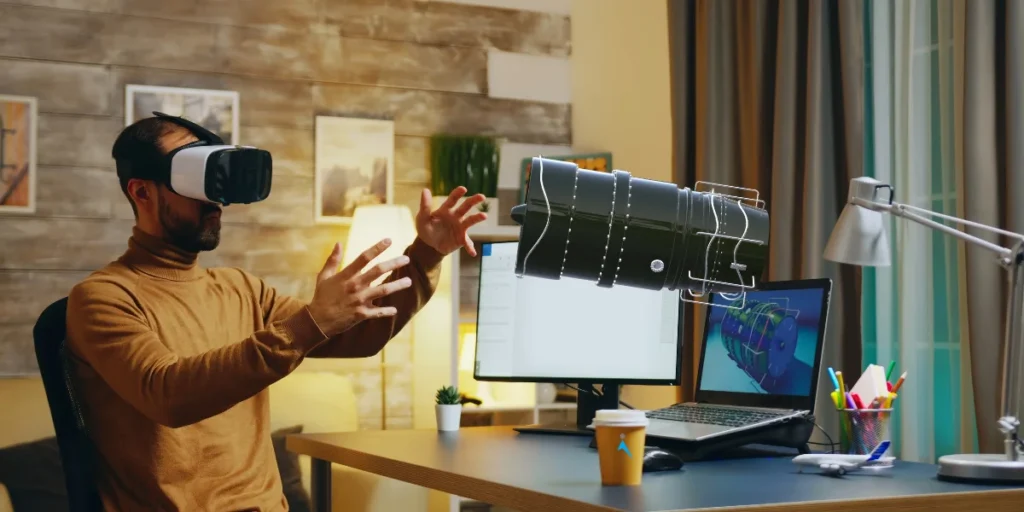
AI Efficiency: Artificial intelligence (AI) advancements accelerate 3D model creation, optimizing design workflow and allowing us to focus on creativity.
IoT integration: Internet of Things (IoT) Integration involves interconnected systems for real-time monitoring. This synergy will enhance efficiency, optimize functionality, and foster exceptional innovation.

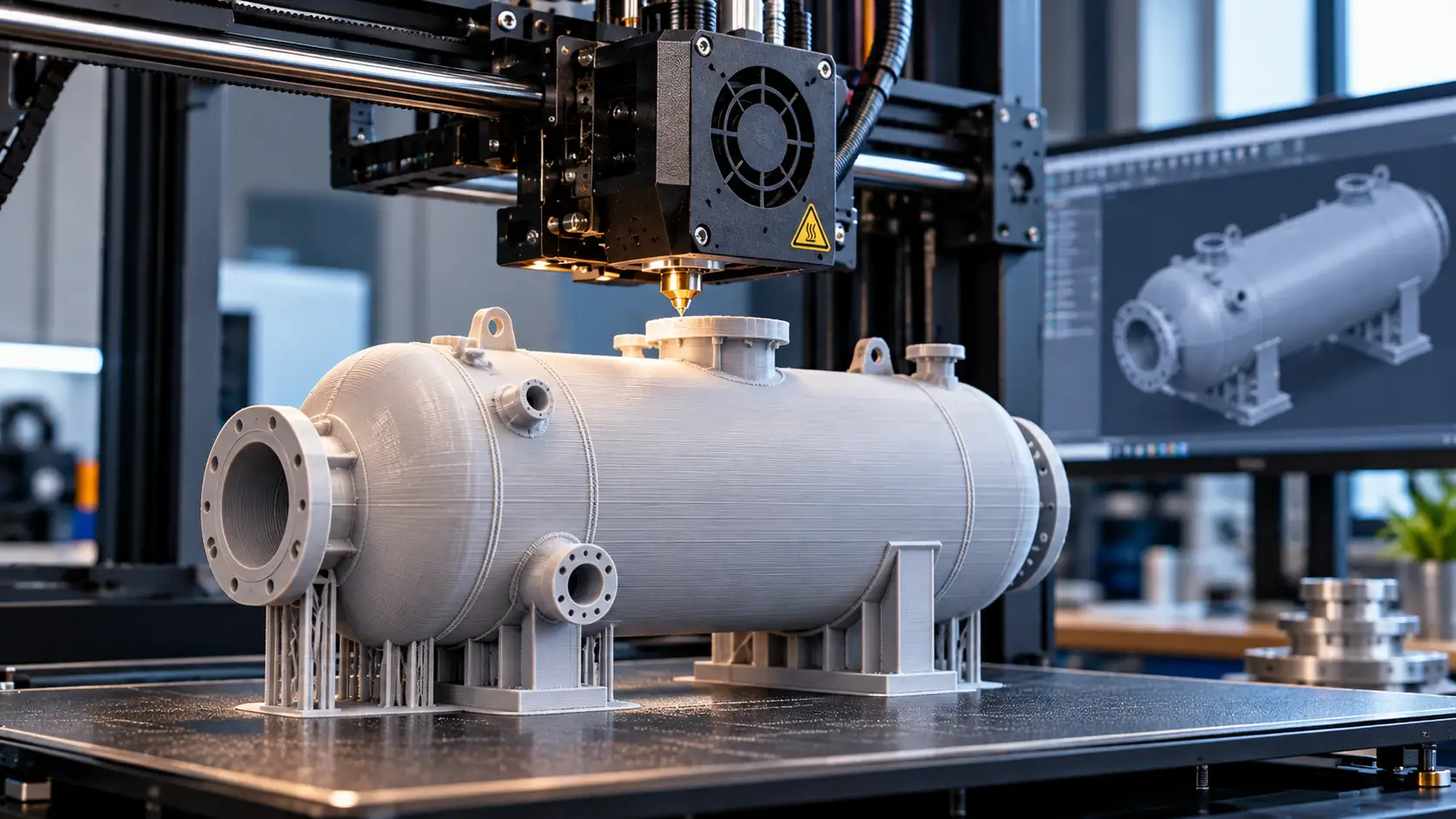
Role of 3D Printing: 3D printing is redefining engineering with its ability to rapidly create intricate designs. This future trend in 3D design engineering includes innovative applications, cost-effective prototyping, and personalized manufacturing solutions.
How Immersiv Techsphere Supports Product Development?
Immersiv Techsphere helps manufacturers and engineering teams turn ideas into production-ready products through 3D CAD modeling, mechanical design, CAD automation, and engineering documentation. We streamline design workflows, reduce errors, and accelerate time to market.
FAQs
A. It enables faster design validation, reduces errors, and accelerates the product development process.
A. Industries such as manufacturing, sheet metal, industrial equipment, fitness equipment, and furniture design widely use 3D design engineering.
A. Yes, it minimizes the need for multiple physical prototypes, reducing both development time and costs.
Why 3D Design Engineering is Essential for Modern Product Development
3D design engineering helps organizations develop products faster, improve design accuracy, and reduce development costs through digital workflows. By enabling better visualization, validation and collaboration, it minimizes errors and supports efficient product development from concept to manufacturing.
As manufacturing continues to evolve, 3D design engineering remains a key driver of innovation, quality, and competitive advantage.
Ready to Accelerate Your Product Development Process?
Whether you’re developing a new product, optimizing an existing design, or looking to improve engineering efficiency, Immersiv Techsphere can help with 3D CAD modeling, product design, engineering documentation, visualization, and CAD automation solutions.
Contact us today to discuss your product development requirements.
Have a Project in Mind?
Need help with 3D animation, industrial visualization, HSE training animation, or product visualization? Tell us about your project and our team will get back to you.