

Table of Contents
Introduction
Modern laboratories require furniture that can withstand demanding working conditions while providing safety, organization, and efficiency. Sheet metal lab furniture has become a popular choice for laboratories, research facilities, educational institutions, healthcare environments, and industrial testing facilities because of its strength, durability, and flexibility.
From laboratory workbenches and storage cabinets to mobile workstations and equipment enclosures, sheet metal can be engineered into a wide range of laboratory furniture solutions.
What Is Sheet Metal Lab Furniture?
Sheet metal lab furniture is laboratory furniture manufactured primarily from formed and fabricated metal sheets. Depending on the application, materials such as cold-rolled steel, galvanized steel, or stainless steel may be used.
The sheet metal is typically cut, bent, punched, welded, and finished to create components such as:
- Laboratory workbenches
- Base cabinets
- Wall-mounted cabinets
- Tall storage cabinets
- Drawer units
- Equipment cabinets
- Mobile laboratory workstations
- Chemical storage cabinets
- Sink cabinets
- Instrument enclosures
- Shelving systems
The manufacturing process allows furniture to be designed according to specific laboratory layouts, dimensions, equipment requirements, and storage needs.
Why Choose Sheet Metal for Laboratory Furniture?
1. Excellent Durability
Laboratory furniture is exposed to continuous use, equipment loads, cleaning, and sometimes harsh working environments. Properly fabricated sheet metal furniture provides excellent structural strength and long-term durability.
Reinforced panels, folded edges, welded joints, and formed sections can be incorporated into the design to improve rigidity and load capacity.
2. Easy to Clean and Maintain
Laboratories require clean and organized working environments. Metal surfaces can be designed with smooth finishes and minimal areas where dust or contaminants can accumulate.
Powder-coated steel and stainless steel surfaces are particularly useful when frequent cleaning is required.
3. Customizable Design
One of the biggest advantages of sheet metal furniture is design flexibility.
Furniture can be manufactured in different:
- Widths
- Heights
- Depths
- Drawer configurations
- Door configurations
- Shelf arrangements
- Worktop layouts
- Mounting systems
This makes it possible to develop furniture around the laboratory’s equipment and workflow instead of forcing the laboratory to work around standard furniture dimensions.
Common Types of Sheet Metal Laboratory Furniture
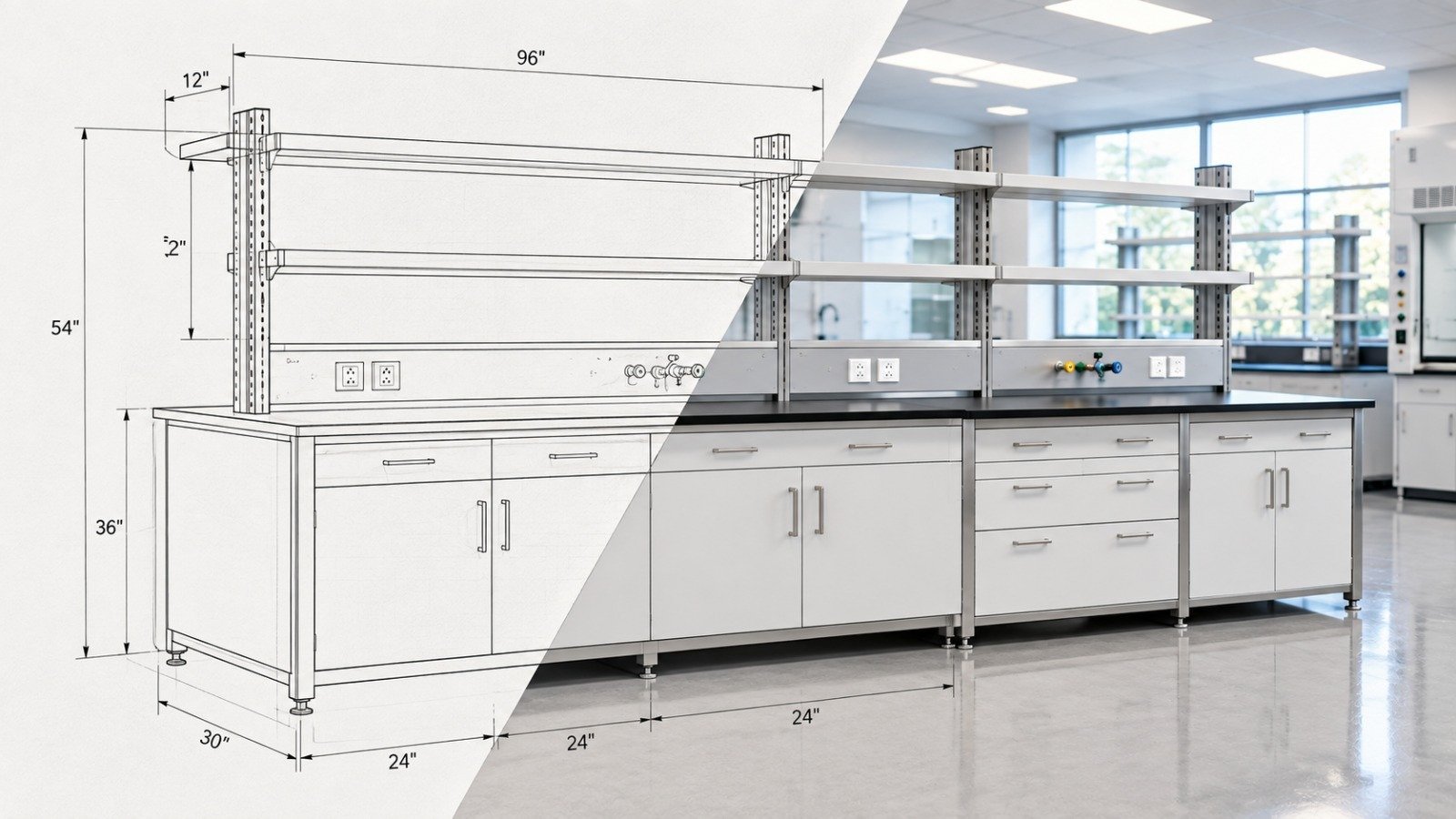
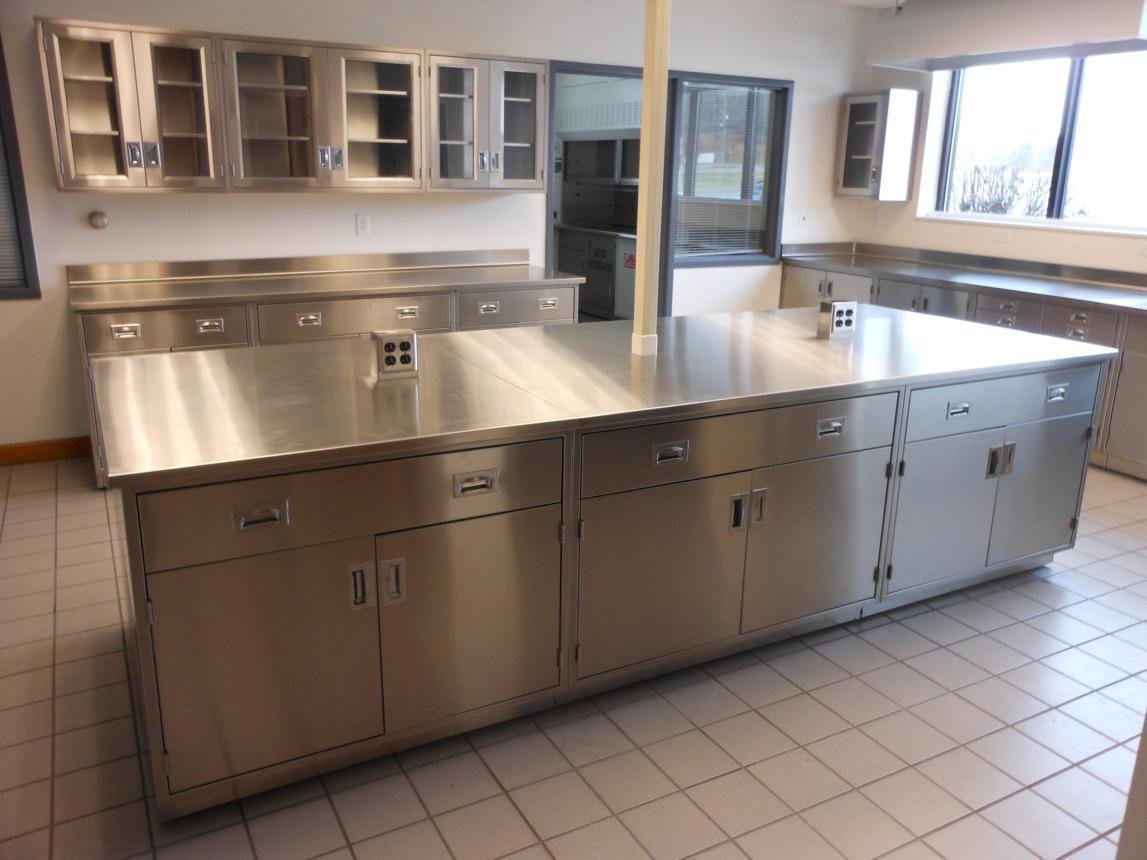
Workbenches are one of the most important elements of a laboratory. Sheet metal frames provide a strong foundation for work surfaces and laboratory equipment.
Depending on the application, workbenches can include drawers, cabinets, shelves, electrical service panels, and equipment mounting provisions.
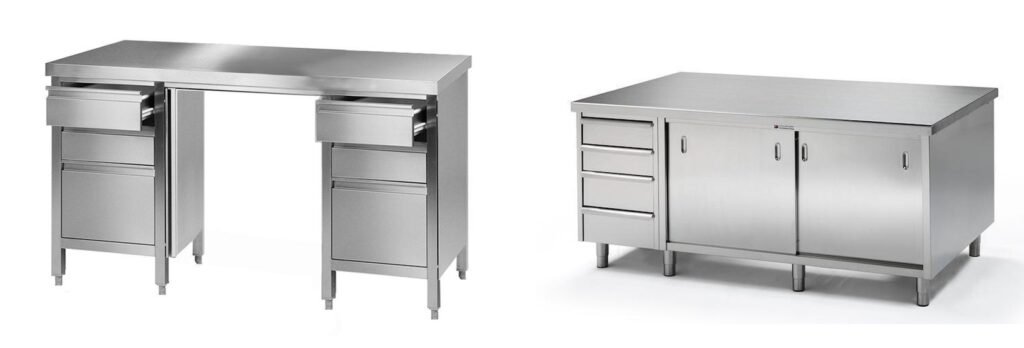
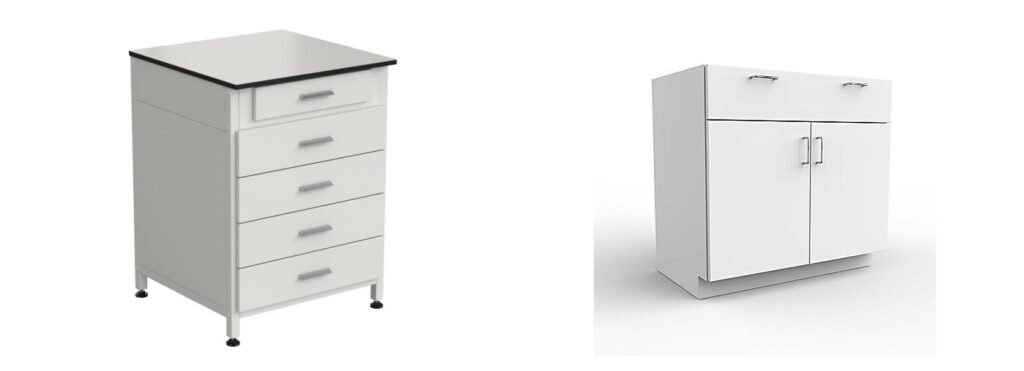
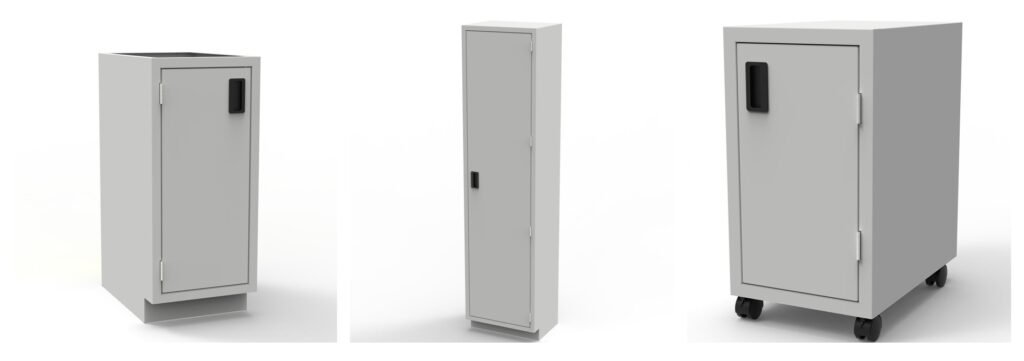
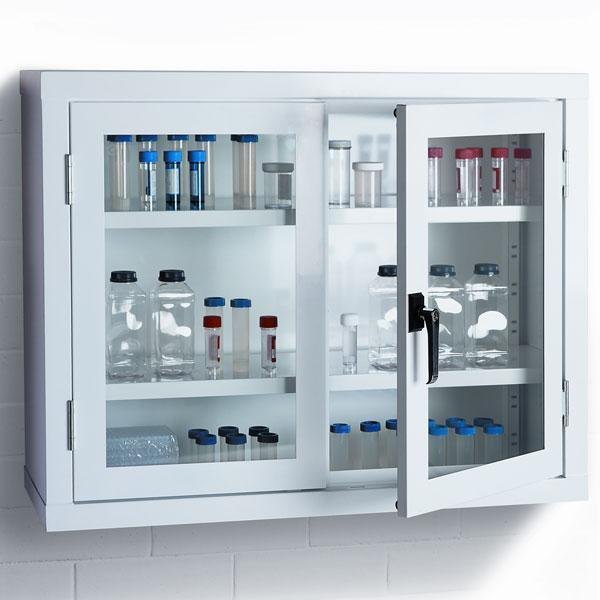
1. Laboratory Cabinets
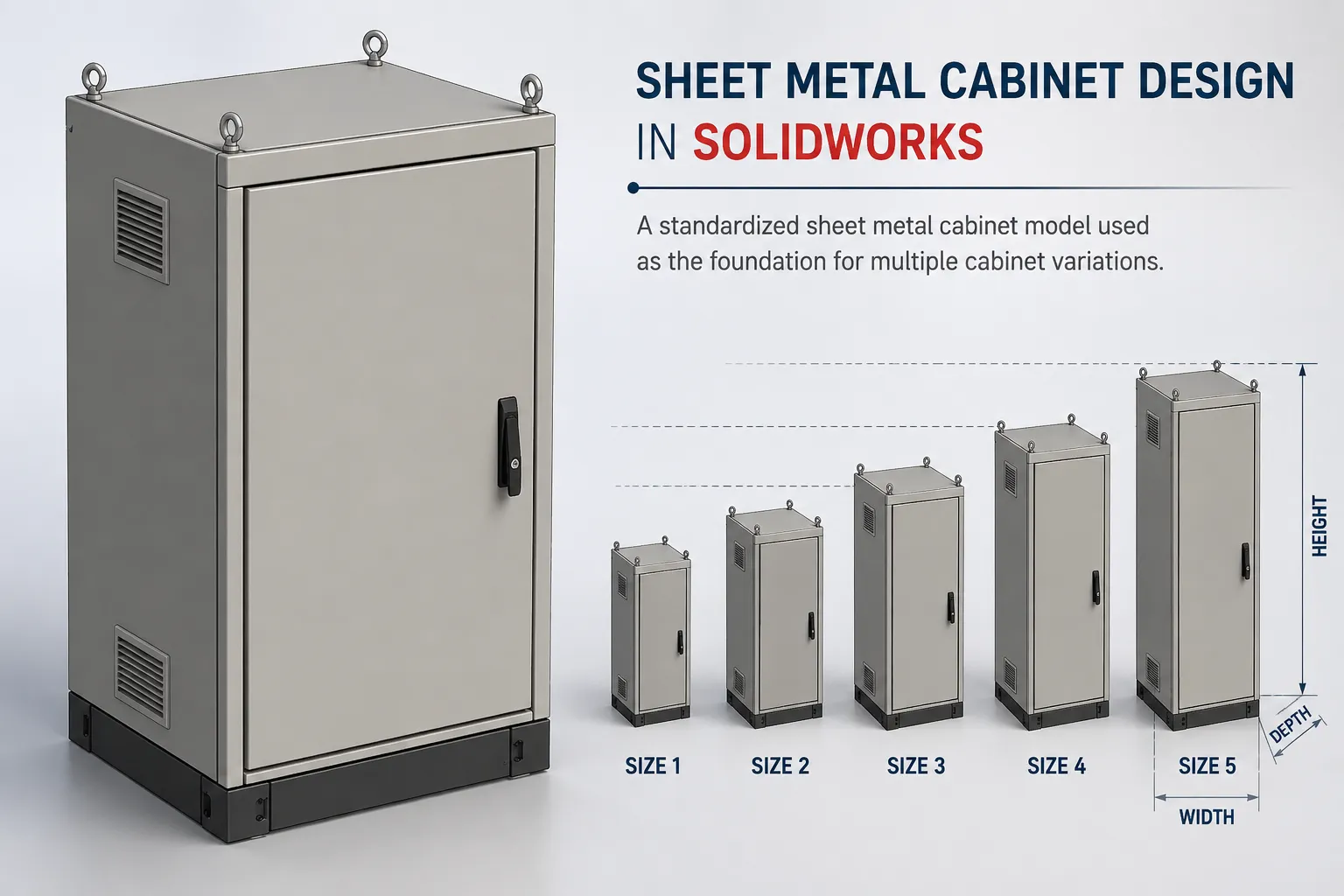
Sheet metal cabinets provide organized storage for laboratory tools, instruments, samples, and supplies.
Common configurations include:
- Single-door cabinets
- Double-door cabinets
- Drawer cabinets
- Door-and-drawer combinations
- Tall cabinets
- Wall cabinets
- Mobile cabinets
The cabinet design can also incorporate adjustable shelves and specialized internal storage.
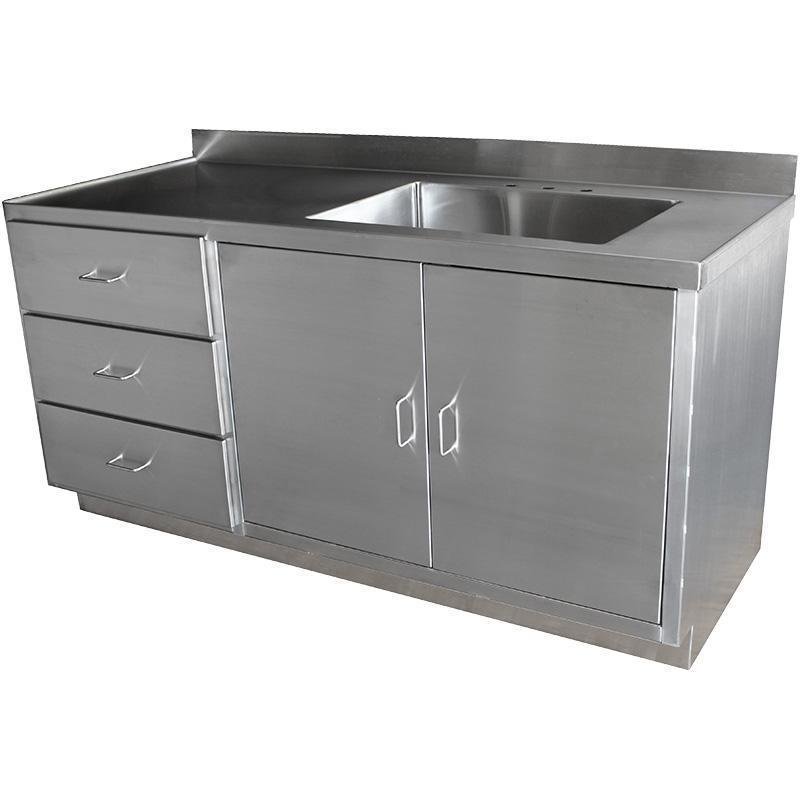
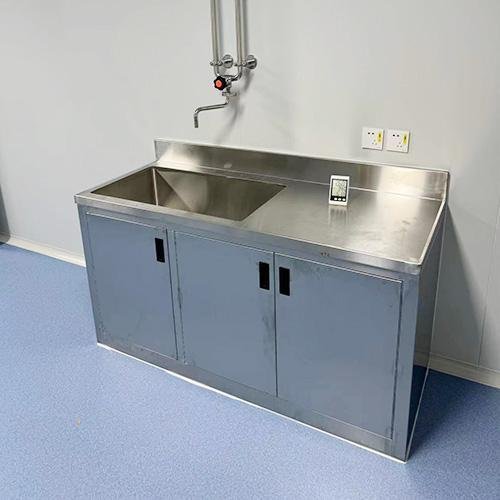
2. Sink Cabinets
Laboratory sink cabinets need to accommodate plumbing connections while maintaining structural strength.
Sheet metal construction allows openings, access panels, reinforcement, and service areas to be incorporated directly into the cabinet design.
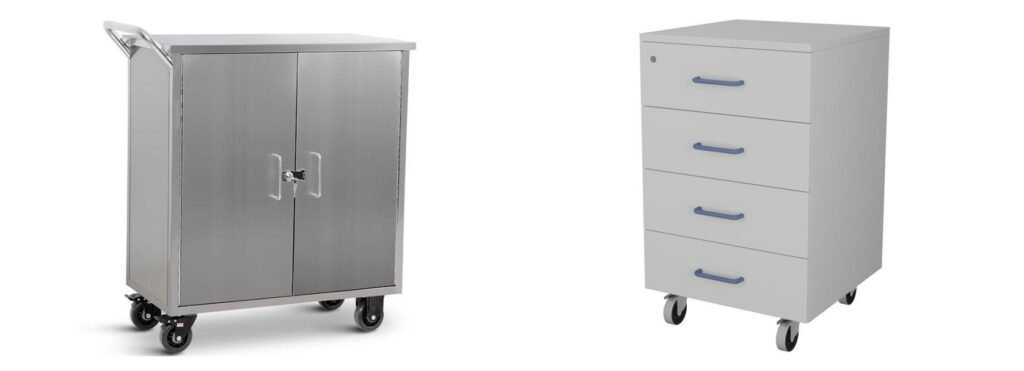
3. Mobile Laboratory Furniture
Mobile workstations and cabinets provide flexibility when laboratory layouts change frequently.
Lockable casters can allow equipment and storage units to be moved while maintaining stability during use.
High-quality laboratory furniture requires careful engineering and manufacturing.
A typical manufacturing process includes:
Design → Sheet Cutting → Punching → Bending → Welding → Grinding → Surface Finishing → Assembly → Quality Inspection
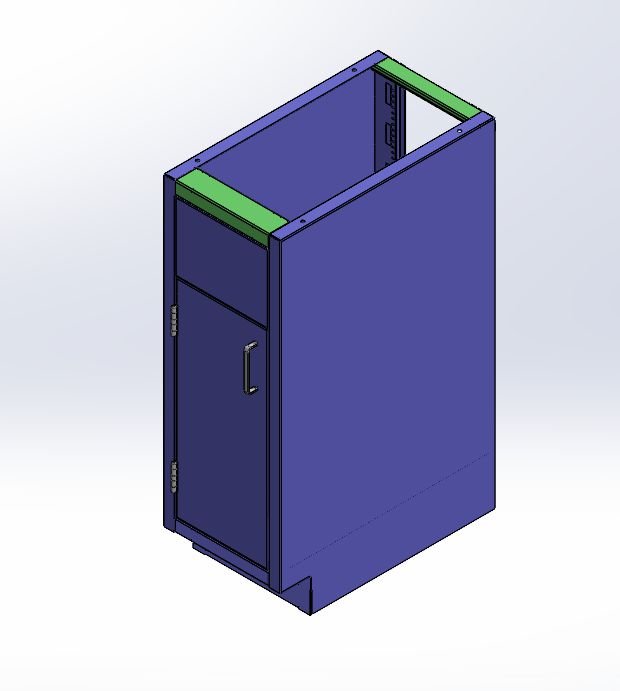
CAD Design
The furniture is first developed using 3D CAD software. Designers can evaluate dimensions, clearances, assembly methods, hardware, and interference before manufacturing begins.
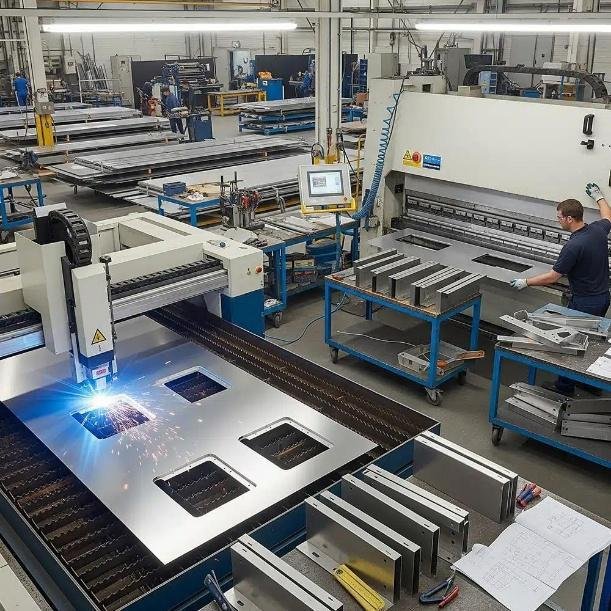
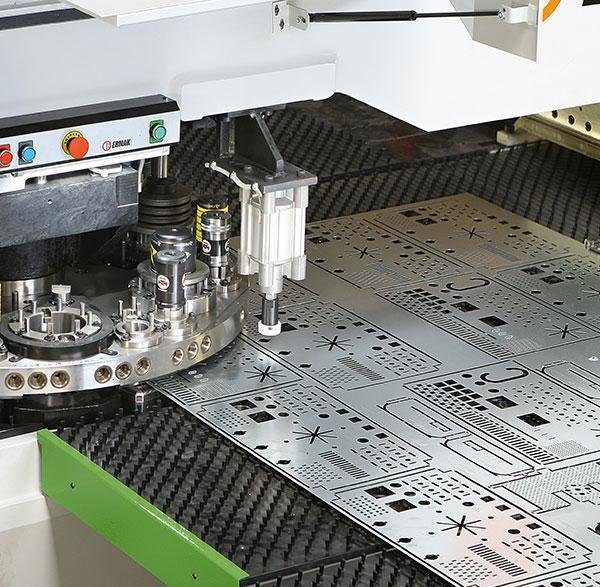
Laser Cutting and Punching
Sheet metal components are cut to the required dimensions. Holes, slots, mounting points, and other features can be incorporated during this stage.
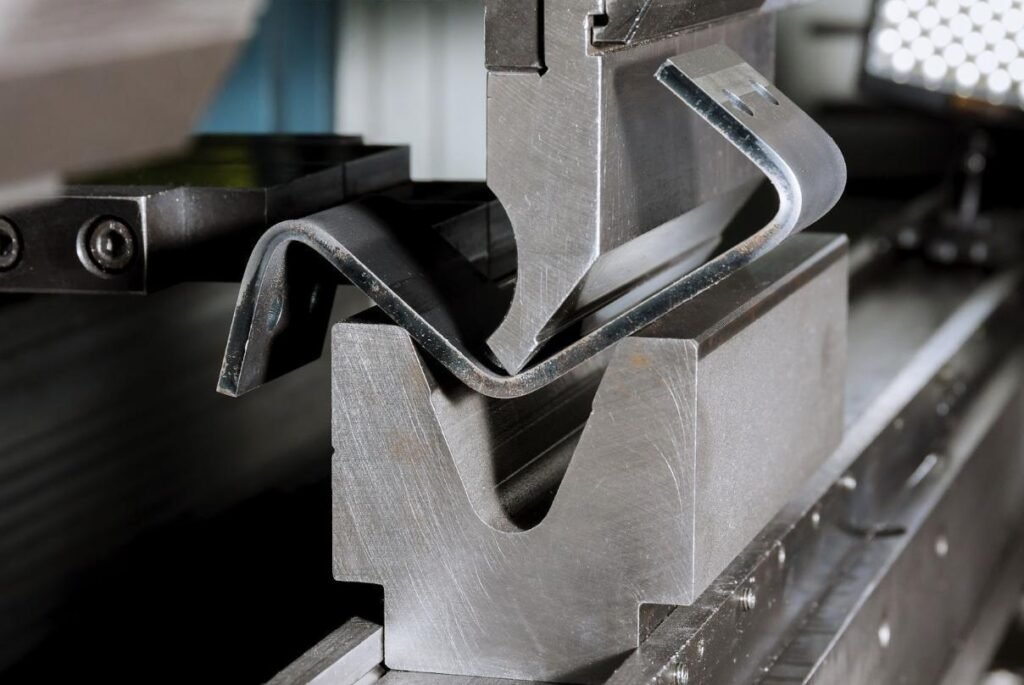
CNC Bending
A press brake is used to create accurate bends. Proper bend design is important because it determines the strength, appearance, and assembly accuracy of the finished component.
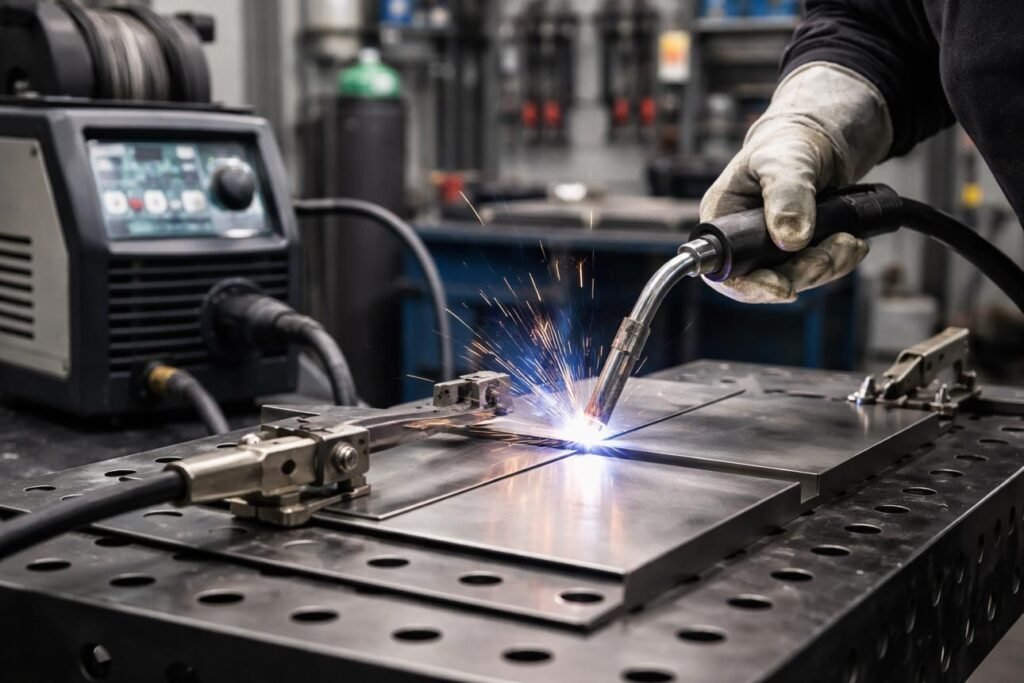
Welding
Welded joints are used where additional structural strength is required. Depending on the material and application, different welding methods may be used.
Surface Finishing
Surface finishing protects the furniture and improves its appearance. Powder coating is commonly used for steel laboratory furniture because it provides a durable and attractive finish.
Stainless steel furniture may use finishing processes such as brushing or polishing depending on the required application.
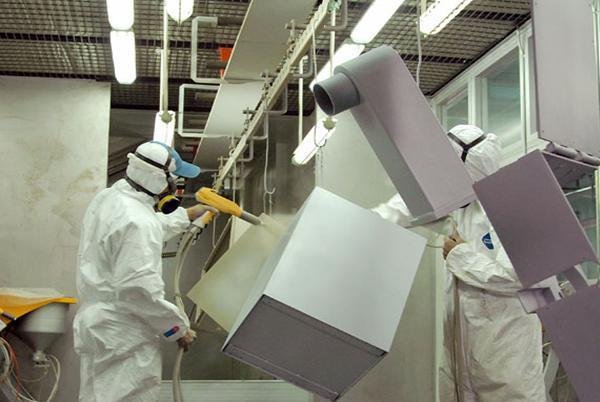
We use powder-coated surface finishing on sheet metal mainly because it provides a durable, clean, and protective surface.
Why Powder Coating Is Used on Sheet Metal
- Corrosion Protection: Helps protect steel from rust and moisture.
- Durability: Creates a hard surface that resists scratches, wear, and impact.
- Chemical Resistance: Suitable for many laboratory and industrial environments.
- Easy to Clean: Provides a smooth surface that is easy to wipe and maintain.
- Professional Appearance: Available in many colours and finishes, giving furniture a clean and modern look.
- Uniform Finish: Provides an even coating over the entire sheet metal surface.
- Long Service Life: Helps extend the life of cabinets, workbenches, and other sheet-metal furniture.
- Environmentally Better: Powder coating produces very little VOC compared with conventional liquid paint.
For laboratory furniture, powder coating is commonly preferred because it combines protection, durability, easy maintenance, and good appearance.
Importance of Ergonomic Design
Laboratory furniture should not only be strong—it should also support comfortable and efficient working.
Ergonomic considerations can include:
- Appropriate workbench height
- Comfortable working depth
- Easy-to-reach storage
- Smooth drawer operation
- Adequate legroom
- Proper equipment positioning
- Accessible electrical and utility connections
A well-designed laboratory workstation can help reduce unnecessary movement and improve overall workflow.
Custom Sheet Metal Lab Furniture
Every laboratory has different requirements. Research laboratories may require equipment-heavy workstations, while educational laboratories may prioritize storage and flexibility.
Custom sheet metal furniture can be designed to accommodate:
- Specialized laboratory equipment
- Unique room dimensions
- Specific storage requirements
- Electrical connections
- Plumbing connections
- Ventilation requirements
- Adjustable shelving
- Custom drawer layouts
- Equipment mounting
- Mobility requirements
This makes custom fabrication particularly valuable for laboratories with specialized applications.
What to Consider When Selecting Sheet Metal Lab Furniture
Before selecting or designing laboratory furniture, consider the following:
Material
Choose the material based on the environment and expected use. Stainless steel may be preferred for demanding or hygienic applications, while powder-coated steel can be suitable for general laboratory environments. Consider moisture, chemical exposure, cleaning procedures, corrosion resistance, and maintenance requirements before finalizing the material.
Sheet Thickness
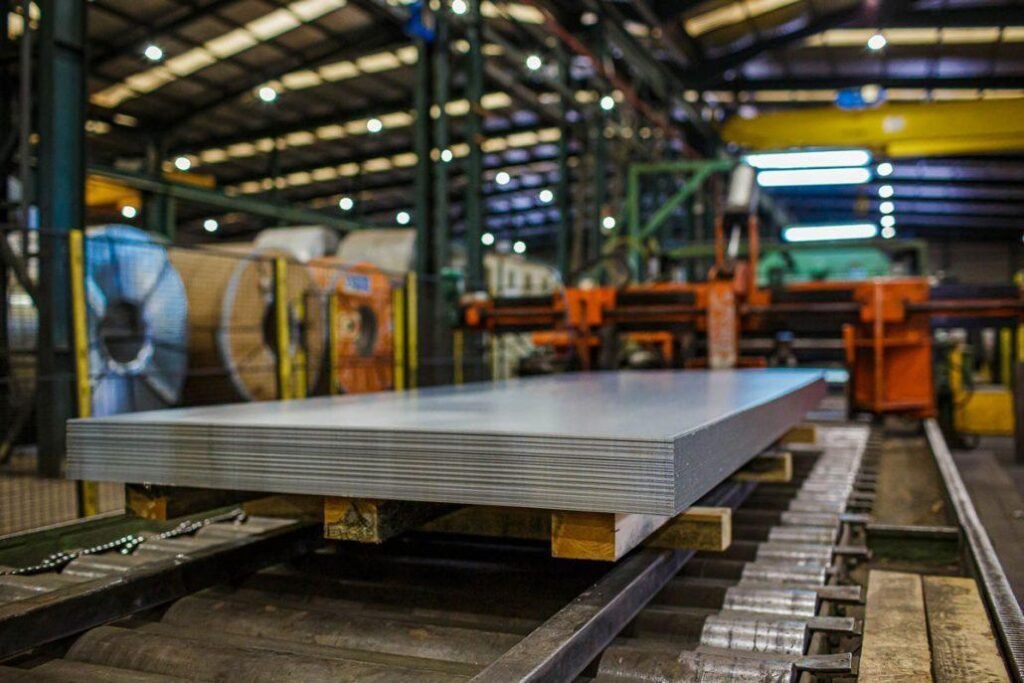
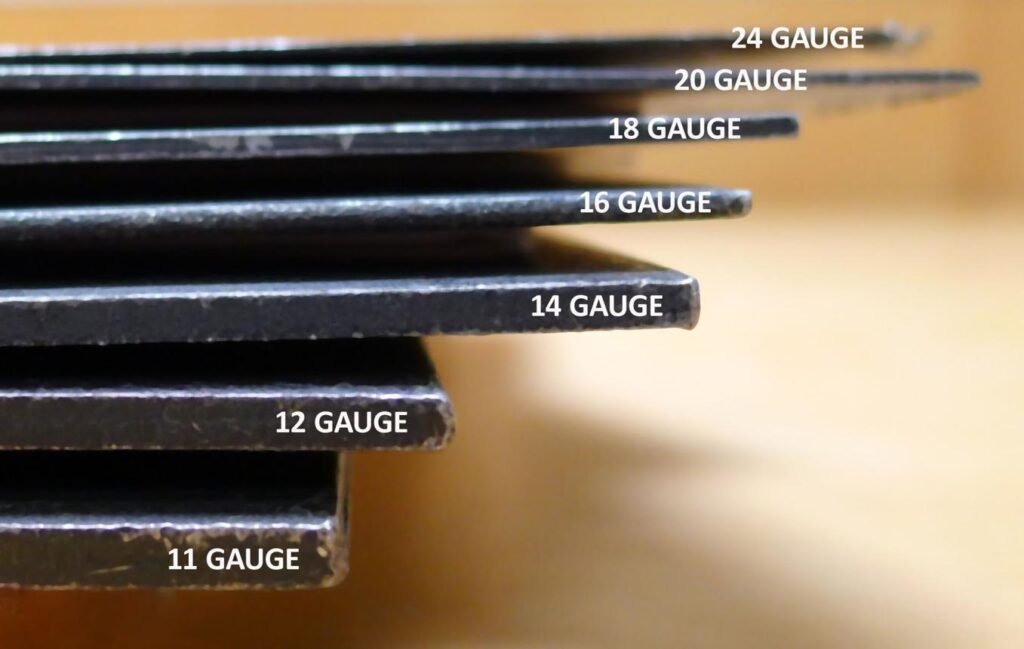
Sheet thickness should be selected based on the component’s dimensions, load requirements, material properties, forming method, and structural design. It affects the stiffness, weight, formability, and load-bearing performance of laboratory furniture.
For example, a workbench support panel and a cabinet door may require different sheet thicknesses because they serve different functions and experience different loads. Selecting a thickness solely to reduce material costs may result in excessive deflection or insufficient rigidity. Conversely, using unnecessarily thick material can increase material costs, component weight, and forming requirements.
The appropriate thickness should therefore balance structural performance, manufacturability, durability, and cost.
Load Capacity
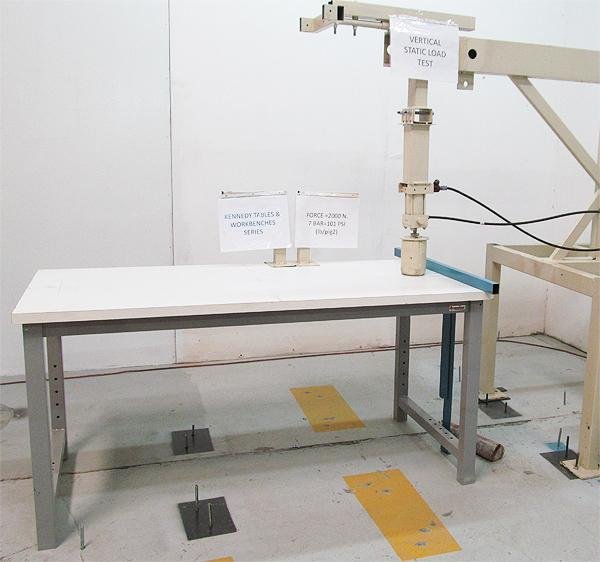
Storage cabinets, shelves, and workbenches should be designed according to the expected equipment and storage loads. Consider load distribution, support spacing, material strength, and reinforcement requirements to prevent excessive deflection and ensure structural stability.
Finish
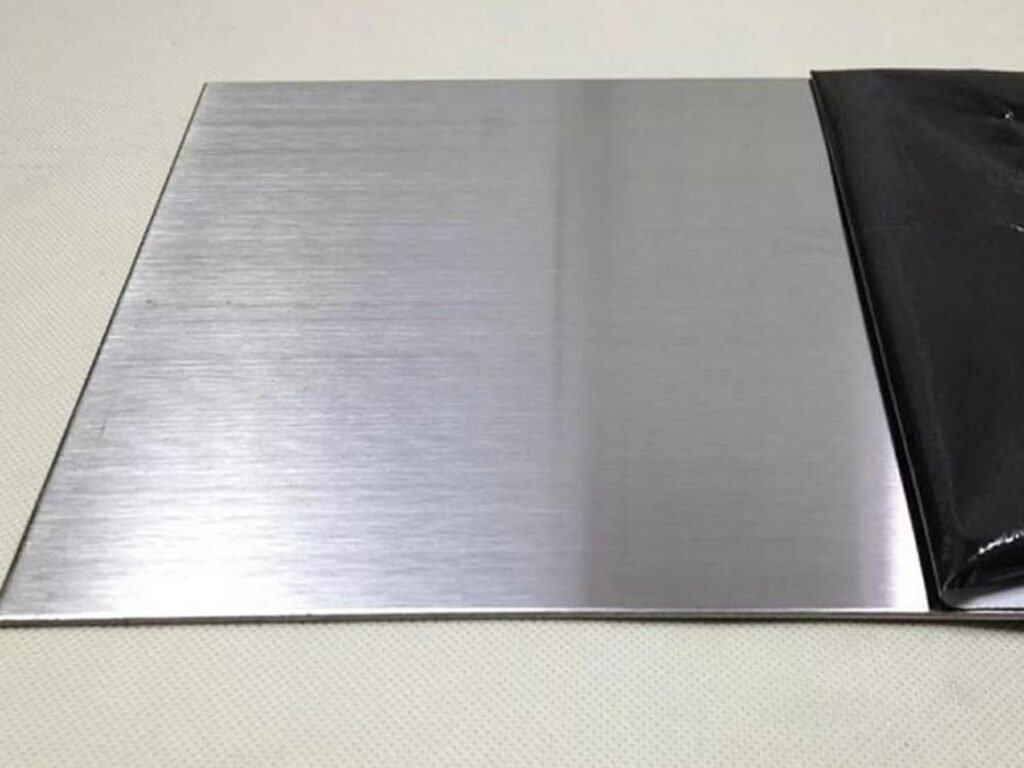
The surface finish should provide suitable resistance to wear, cleaning agents, moisture, and other conditions expected in the laboratory environment. The finish should be selected according to the material and intended application.
Hardware
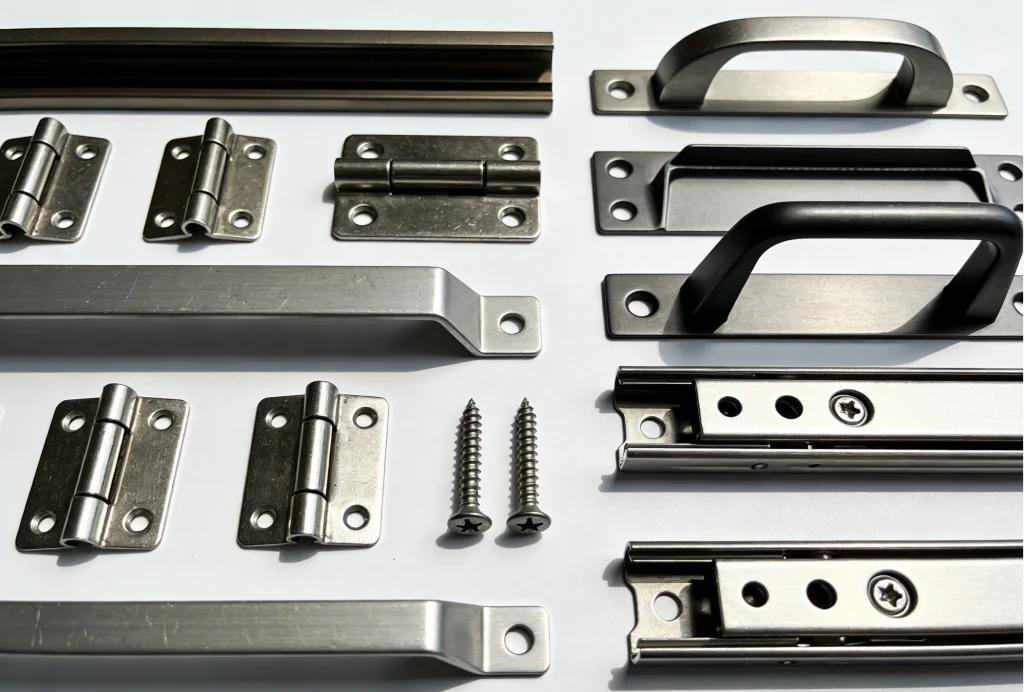
High-quality hinges, drawer slides, handles, locks, leveling feet, and casters contribute significantly to the overall performance of laboratory furniture. Select hardware based on load requirements, frequency of use, and compatibility with the furniture design.
Sheet Metal Lab Furniture Manufacturing: From CAD Design to Final Inspection
Manufacturing sheet metal laboratory furniture involves more than converting a 3D model into flat patterns and fabrication drawings. Every design decision—from material selection and bend geometry to welding locations and coating allowances—can affect dimensional accuracy, assembly time, structural performance, and the final fit of the furniture.
A manufacturing-ready design considers the complete production workflow, ensuring that individual components can be fabricated accurately, joined efficiently, and assembled without unnecessary rework.
1. CAD Design and Design Validation
The manufacturing process begins with a 3D CAD model that defines the geometry, dimensions, mounting features, and relationships between components. For laboratory workbenches, cabinets, drawer units, and equipment enclosures, the design should account for both functional requirements and fabrication constraints.
Key considerations include:
- Material and sheet thickness: Select these according to the intended load, stiffness, corrosion exposure, fabrication process, and required finish.
- Bend geometry: Define bend radii, flange lengths, bend reliefs, and other features based on the material and available press-brake tooling.
- Component interfaces: Ensure that panels, doors, shelves, drawers, frames, and mounting brackets align correctly.
- Clearances: Account for door and drawer movement, hinges, slides, fasteners, and access to equipment or utilities.
- Manufacturing tolerances: Specify practical tolerances for dimensions and interfaces based on the fabrication process and assembly requirements.
For example, a cabinet door may fit the nominal opening in CAD but interfere with adjacent panels after fabrication if the design does not account for bend geometry, hinge positioning, or the required operating clearance.
CAD validation helps identify these issues before production. Assembly checks and interference detection can reveal overlapping components, inaccessible fasteners, and insufficient clearances.
2. Laser Cutting and Flat-Pattern Preparation
After validating the 3D design, sheet metal components are converted into flat patterns for cutting. Laser cutting is commonly used to produce panels, brackets, mounting plates, shelves, and enclosure components with defined profiles and hole locations.
The flat pattern must reflect the selected material, thickness, bend sequence, tooling, and applicable bend allowances or bend deductions. These values should be based on the fabrication setup rather than assumed to be universal.
Important design considerations include:
- Positioning holes and slots so they remain suitable after bending.
- Providing appropriate bend reliefs to reduce tearing or unwanted material deformation at bend intersections.
- Maintaining practical edge distances for holes, fasteners, and mounting features.
- Avoiding unnecessarily complex profiles that increase cutting time without providing functional value.
- Checking that the flat pattern corresponds to the intended finished 3D geometry.
How this affects manufacturability: Incorrect flat-pattern calculations can cause finished panels to deviate from their intended dimensions. Poorly positioned holes may also become difficult to access or may not align with mating components.
A verified CAD-to-flat-pattern workflow helps maintain consistency between the engineering model and the components sent for fabrication. DXF files should also be checked for units, scale, duplicate geometry, and the correct part revision before release.
3. CNC Bending and Forming
CNC press-brake bending transforms the flat sheet into the required three-dimensional shape. This stage determines the final flange angles, panel dimensions, corner geometry, and many of the interfaces used during assembly.
The design should account for:
- Material-specific bend radii and springback.
- Available punch and die tooling.
- Minimum flange lengths compatible with the tooling.
- Hole-to-bend clearances and bend-relief geometry.
- Bend sequence and potential collisions between the part, tooling, and machine.
- Dimensional tolerances required at adjoining panels and mounting interfaces.
For example, a mounting hole placed too close to a bend may distort during forming. Similarly, a flange that is too short for the selected tooling may be difficult or impossible to produce consistently.
These problems can affect fastener alignment, panel squareness, door positioning, and the fit between a cabinet body and its cover panels.
Reviewing bend geometry during CAD design—and validating it with the fabricator where necessary—reduces the risk of repeated forming trials and corrective work.
4. Welding and Joining
Welding and other joining methods connect fabricated panels, brackets, frames, and support structures. The appropriate joining method depends on the material, load requirements, appearance, accessibility, and production method.
Design decisions should address:
- Joint type and location.
- Access for welding equipment and operators.
- Required weld size and length, where specified by engineering requirements.
- The sequence of joining operations.
- Distortion control and dimensional stability.
- Accessibility for grinding, cleaning, finishing, and inspection.
For example, welding a cabinet frame without considering the joining sequence may cause heat-related distortion. The resulting frame can become out of square, making doors difficult to align or preventing adjoining panels from fitting correctly.
Excessive or unnecessarily long welds can also increase heat input and finishing work. Weld requirements should therefore be defined according to the joint’s functional and structural needs rather than applied indiscriminately.
Where practical, locating welds and joining features to support alignment during fabrication can improve repeatability. Critical dimensions should be checked after welding, before the assembly proceeds to finishing.
5. Surface Finishing and Coating
Surface finishing protects the material where appropriate and establishes the required appearance and cleanability of the furniture. Common options include powder coating for suitable steel components and stainless steel finishes selected for the intended application.
The finish must be compatible with the laboratory environment, cleaning procedures, moisture exposure, and any relevant chemical exposure. No single coating or material is suitable for every laboratory application.
Design considerations include:
- Specifying the required surface finish and coating system.
- Preparing surfaces according to the selected finishing process.
- Identifying areas that must remain uncoated, such as certain threaded holes, electrical bonding points, or precision interfaces where applicable.
- Accounting for coating thickness at close-fitting interfaces.
- Providing access for cleaning and inspection.
- Protecting finished surfaces during handling and assembly.
For example, a close-fitting bracket or threaded connection may become difficult to assemble if coating buildup has not been considered. Masking requirements and dimensional checks can help prevent this problem.
The selected finish should be defined in the technical documentation, with acceptance criteria appropriate to the application.
6. Assembly and Fit-Up
Assembly brings the fabricated components together into a complete workbench, cabinet, storage unit, or equipment enclosure. At this stage, the accuracy of individual parts must translate into correct overall geometry and functionality.
Key checks include:
- Alignment of adjoining panels and frames.
- Squareness and dimensional consistency of cabinet bodies.
- Fit of doors, drawers, hinges, slides, and handles.
- Alignment of mounting holes and fastener locations.
- Clearance for equipment, cables, plumbing, and other specified services.
- Stability and support of shelves, work surfaces, and frames.
- Access to fasteners for installation and future maintenance.
For instance, small dimensional deviations across several panels can accumulate and affect the final cabinet width or door gap. A frame that is out of square may also cause drawers to bind or doors to close unevenly.
Designing appropriate locating features, consistent mounting interfaces, and practical assembly sequences helps reduce these risks. Where repeatable production is required, standardized components and fastening arrangements can also simplify assembly and future design revisions.
7. Final Inspection and Quality Checks
Final inspection verifies that the manufactured furniture meets the approved drawings, specifications, and agreed acceptance criteria.
Depending on the product and project requirements, inspection may include:
- Checking overall dimensions and critical interface measurements.
- Verifying hole positions, flange angles, and mounting locations.
- Inspecting weld quality against the specified acceptance criteria.
- Checking coating coverage, visible defects, and surface finish.
- Confirming door and drawer operation.
- Verifying fastener fit, alignment, and assembly completeness.
- Checking stability and load-related requirements where defined.
- Confirming that the delivered product matches the approved design revision.
For example, a cabinet may meet its overall dimensional requirements but still require correction if the door alignment, drawer movement, or equipment mounting interfaces do not meet the specification.
Inspection results can also identify recurring issues that should be addressed in the CAD model, flat patterns, fabrication drawings, or assembly instructions before the next production run.
Why Design Decisions Matter Across the Entire Workflow
These manufacturing stages are interconnected. A change in sheet thickness can affect bend calculations, forming forces, component weight, and joining requirements. A revised flange can influence flat-pattern dimensions, tooling access, and the fit of an adjoining panel. A finishing requirement can affect clearances and assembly interfaces.
For this reason, sheet metal laboratory furniture should be designed with the complete manufacturing and assembly process in mind—not only the final 3D appearance.
A coordinated CAD workflow, supported by accurate manufacturing drawings, validated flat patterns, clearly defined interfaces, and appropriate inspection requirements, helps reduce avoidable rework and improve production consistency.
How Immersiv Techsphere Supports Sheet Metal Laboratory Furniture Design
Designing laboratory furniture requires more than developing an attractive 3D model. Components must fit together correctly, accommodate hardware and utilities, and be suitable for the intended fabrication process.
Immersiv Techsphere supports laboratory furniture manufacturers with sheet metal CAD design and engineering documentation for products such as laboratory workbenches, storage cabinets, drawer units, sink cabinets, and equipment enclosures.
Our support can include:
- 3D CAD modelling: Developing detailed furniture models and assemblies based on product specifications, sketches, reference drawings, or existing designs.
- Sheet metal component design: Creating panels, flanges, bends, mounting features, and enclosure components with manufacturing requirements in mind.
- Manufacturing drawings: Preparing dimensioned component drawings, assembly drawings, and production documentation.
- Flat patterns and DXF preparation: Supporting laser-cutting workflows with flat-pattern geometry and DXF files, subject to the selected CAD and fabrication requirements.
- Assembly and interference checks: Reviewing component clearances, hardware placement, fastening arrangements, and potential fit-up issues before production.
- Design modifications: Updating existing furniture designs to accommodate revised dimensions, new configurations, or customer-specific requirements.
By integrating 3D CAD design with manufacturing documentation, Immersiv Techsphere helps manufacturers prepare designs for review, fabrication, and assembly.
For laboratory furniture manufacturers developing new products or expanding existing product ranges, our sheet metal design services can support the engineering work required to move from product concepts to production-ready documentation.
FAQs
Sheet metal laboratory furniture is furniture manufactured from formed and fabricated metal sheets, including workbenches, storage cabinets, sink units, and equipment enclosures. Material selection and construction depend on the laboratory environment, equipment loads, cleaning requirements, and intended use.
Stainless steel is often suitable for applications requiring specific corrosion resistance or frequent cleaning, while powder-coated steel is commonly used for general laboratory furniture. The appropriate choice depends on chemical exposure, moisture, hygiene requirements, structural loads, and maintenance conditions.
Powder coating provides a durable decorative finish and can help protect suitable metal substrates against corrosion, wear, and everyday handling. Its performance depends on surface preparation, coating quality, substrate condition, and the chemicals and cleaning methods encountered in service.
Typical deliverables include 3D CAD models, dimensioned manufacturing drawings, assembly drawings, flat patterns, DXF files, and bills of materials. The exact package depends on the manufacturer’s fabrication equipment, CAD system, and production workflow.
CAD design helps engineers review dimensions, component interfaces, bend geometry, hardware placement, clearances, and assembly arrangements before fabrication. Properly prepared drawings and flat patterns also help communicate manufacturing requirements.
Yes. Furniture can be designed around equipment dimensions, storage requirements, room layouts, utility connections, access clearances, and load requirements. These constraints should be confirmed during the design process before production drawings are finalized.
Conclusion
Sheet metal lab furniture provides a strong combination of durability, flexibility, cleanability, and customization. With modern CAD design, CNC fabrication, precision bending, welding, and advanced finishing processes, manufacturers can produce laboratory furniture that meets the specific requirements of modern research, education, healthcare, and industrial environments.
Whether you need a simple laboratory workbench or a fully customized laboratory furniture system, properly engineered sheet metal construction can provide a reliable and long-lasting solution.
Have a Project in Mind?
Need help with 3D animation, industrial visualization, HSE training animation, or product visualization? Tell us about your project and our team will get back to you.