

Table of Contents
Introduction
In industrial safety training, the challenge is not the availability of procedures, but how effectively those procedures are understood and applied in real working conditions. When safety instructions rely only on written interpretation, different workers may understand and apply them differently, leading to inconsistent compliance on the shop floor.
This is where safety training animation, HSE compliance, and industrial training methods become critical in ensuring that safety practices are clearly communicated and consistently followed. Visual training approaches, supported by teams like Immersiv Techsphere, help convert safety instructions into clear, actionable understanding.
What Is Visual Safety Training Animation?
Visual safety training uses animations and simulations to demonstrate safety procedures, hazards and correct practices in a way that removes ambiguity and reduces reliance on interpretation. Unlike manuals,visual safety training animations:
- Shows real-world scenarios
- Demonstrates cause-and-effect relationships
- Standardizes training delivery
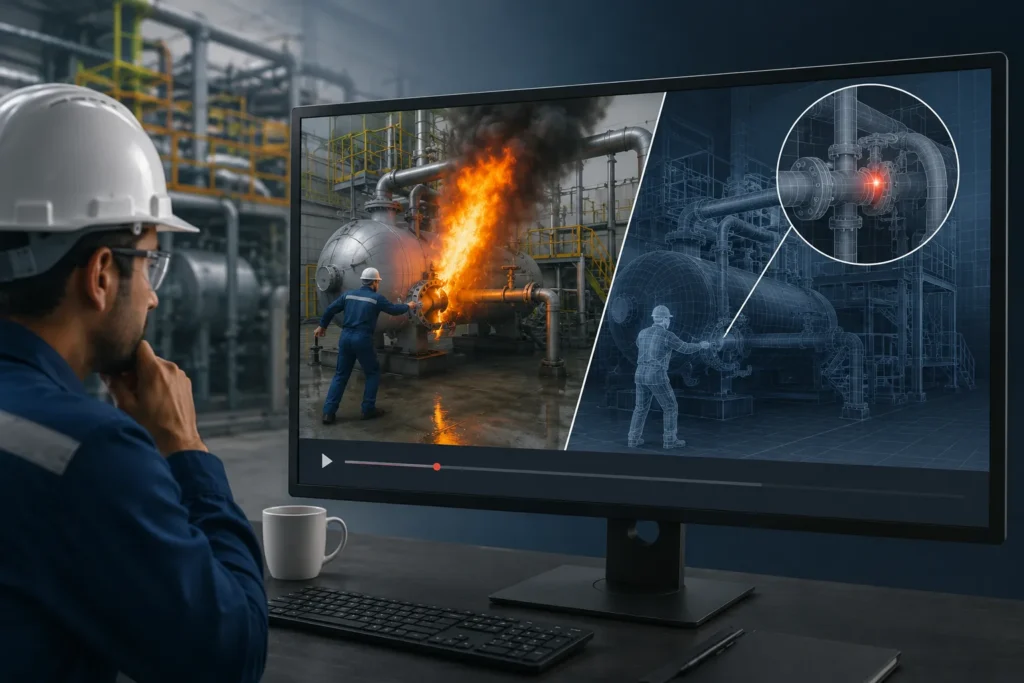
For example, instead of reading a document about a fire emergency, an animated video can show how a fire starts, correct evacuation routes and consequences of delayed response. This improves both understanding and response readiness.
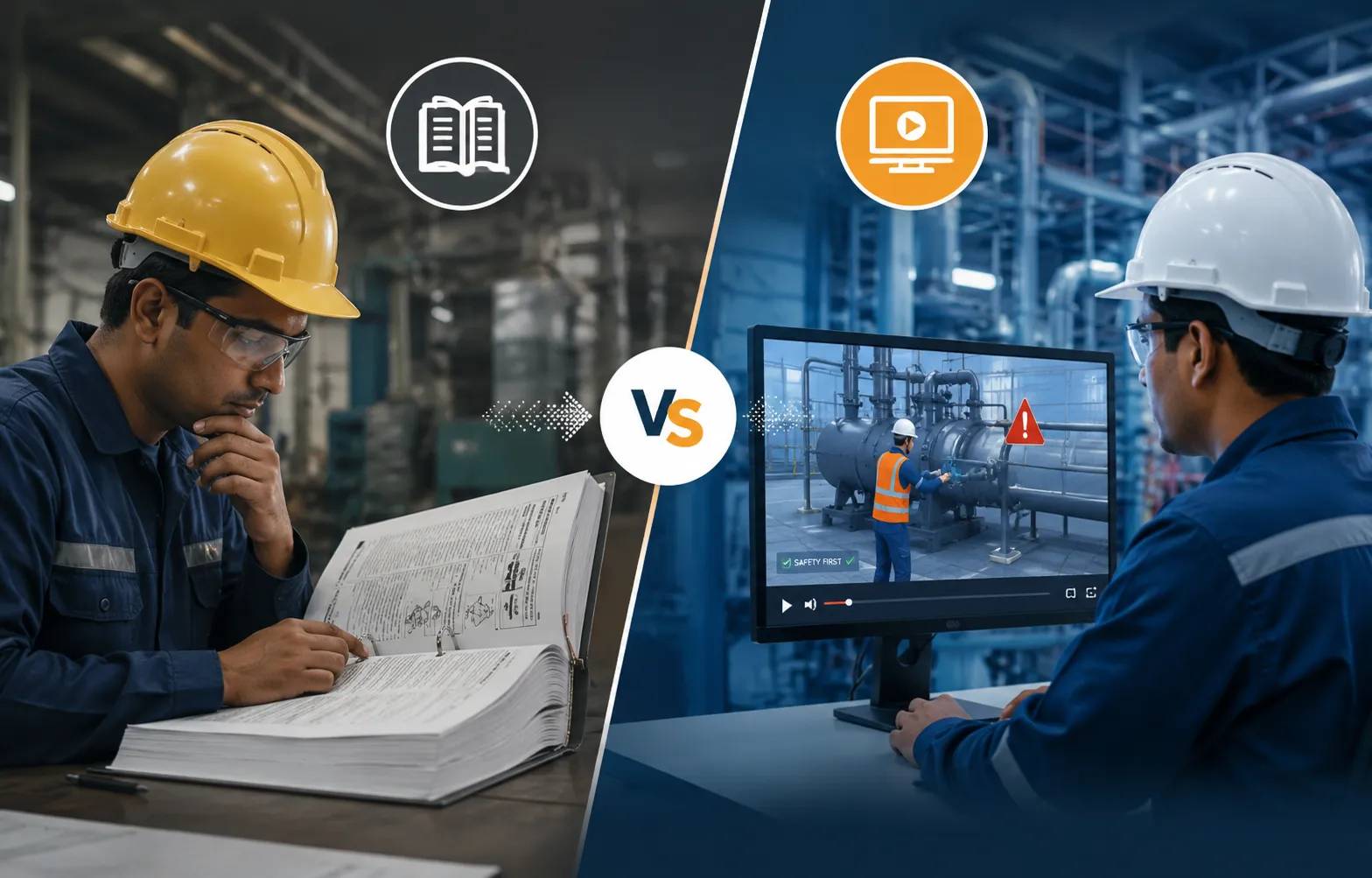
Traditional Safety Training Methods vs Visual Safety Training
| Training Aspect | Traditional Safety Training Methods | Visual Safety Training (3D Animation) |
| Understanding Complex Scenarios | Training manuals, SOPs, presentations, and classroom sessions often rely on explanations and interpretation, making it difficult to visualize dynamic workplace hazards and emergency situations. | 3D animations demonstrate procedures, risks, and safety measures through realistic scenarios, helping workers understand complex situations more clearly. |
Incident Re-Creation and Learning | Past incidents are usually explained through reports, presentations, or discussions, which may not fully convey the sequence of events and consequences. | Incident re-creation animations visually demonstrate what happened, why it happened, and how similar incidents can be prevented. |
| Retention and Engagement | Information delivered through documents and presentations can be difficult to retain, particularly during lengthy training sessions. | Visual learning improves engagement, knowledge retention, and recall by showing real-world scenarios rather than simply describing them. |
| Consistency of Training | Training quality may vary depending on the trainer, location, and delivery method. | Every worker receives the same message, ensuring standardized training across departments, facilities, and geographic locations. |
| Practical Application in the workplace | Workers often need additional explanation to translate written instructions into real-world actions. | Animations demonstrate actual workplace conditions, helping workers understand how safety procedures apply to their daily tasks. |
Overall, visual safety training through 3D animation provides a more engaging, consistent, and practical approach to HSE compliance compared to traditional training methods alone.
Why Does Visual Learning Improve Safety Outcomes?
Visual training helps workers understand procedures faster by demonstrating real-world scenarios, equipment interactions, and potential hazards. By combining motion, context, and cause-and-effect relationships, animations improve knowledge retention and make safety concepts easier to apply in everyday operations.
Applications of Visual Training in HSE Compliance
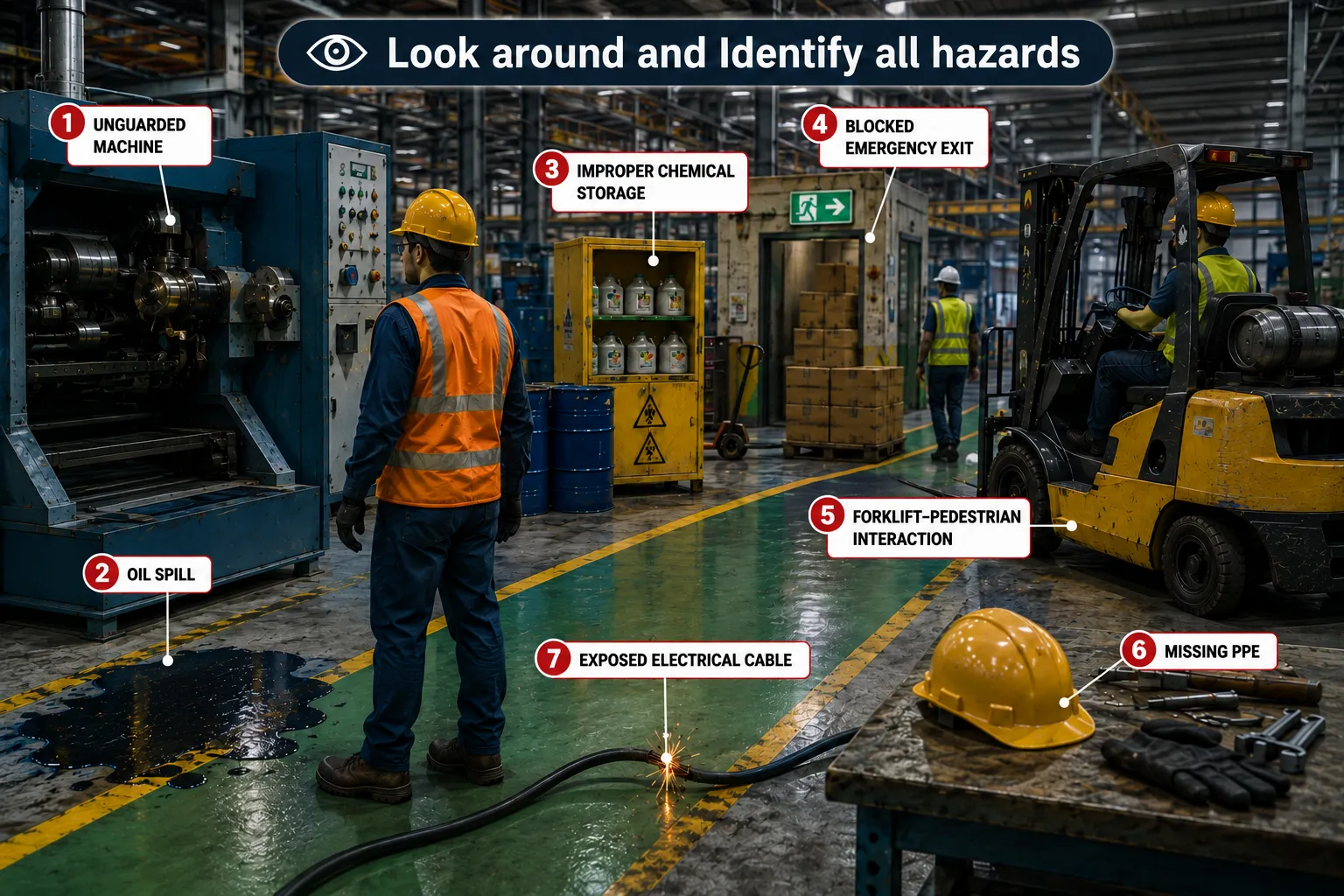
Workplace Hazard Identification: For recognizing risks and preventive actions. Visual training can support workplace hazard prevention initiatives and improve awareness of common industrial risks, consistent with guidance from National Institute for Occupational Safety and Health (NIOSH).
- Incident Re-Creation for Learning: For visual analysis of past accidents and understanding root causes.
- Emergency Response Training: For fire safety procedures and evacuation drills.
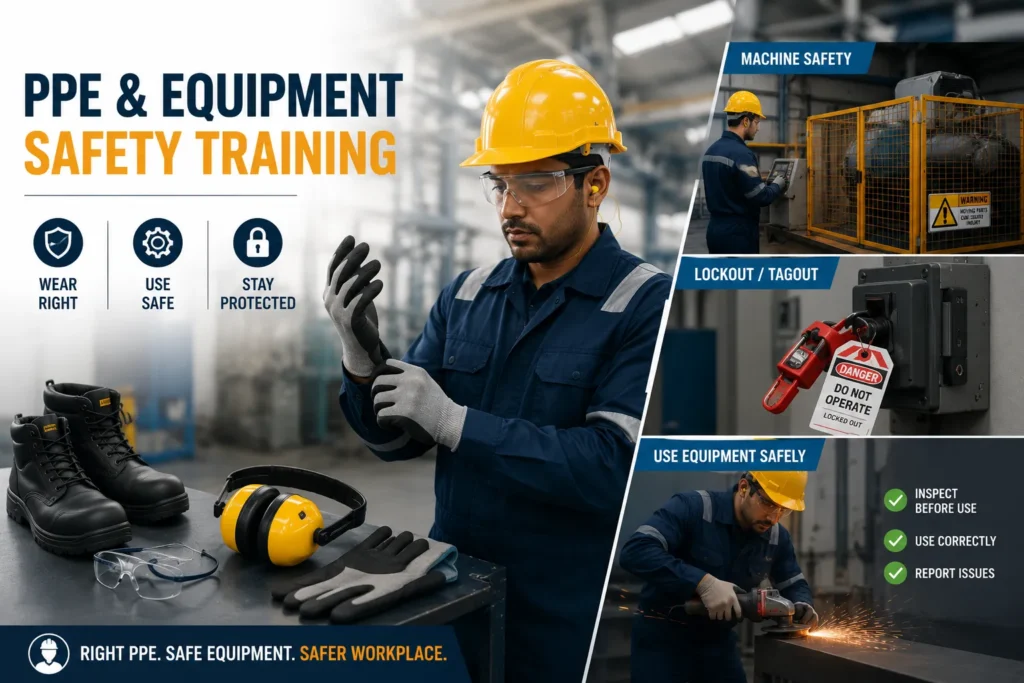
- Equipment and Machine Safety: For safe operation practices and maintenance
- procedures.
- PPE Usage and Awareness: For correct usage demonstration and common mistakes.
- Workplace Hazard Identification: For recognizing risks and preventive actions.
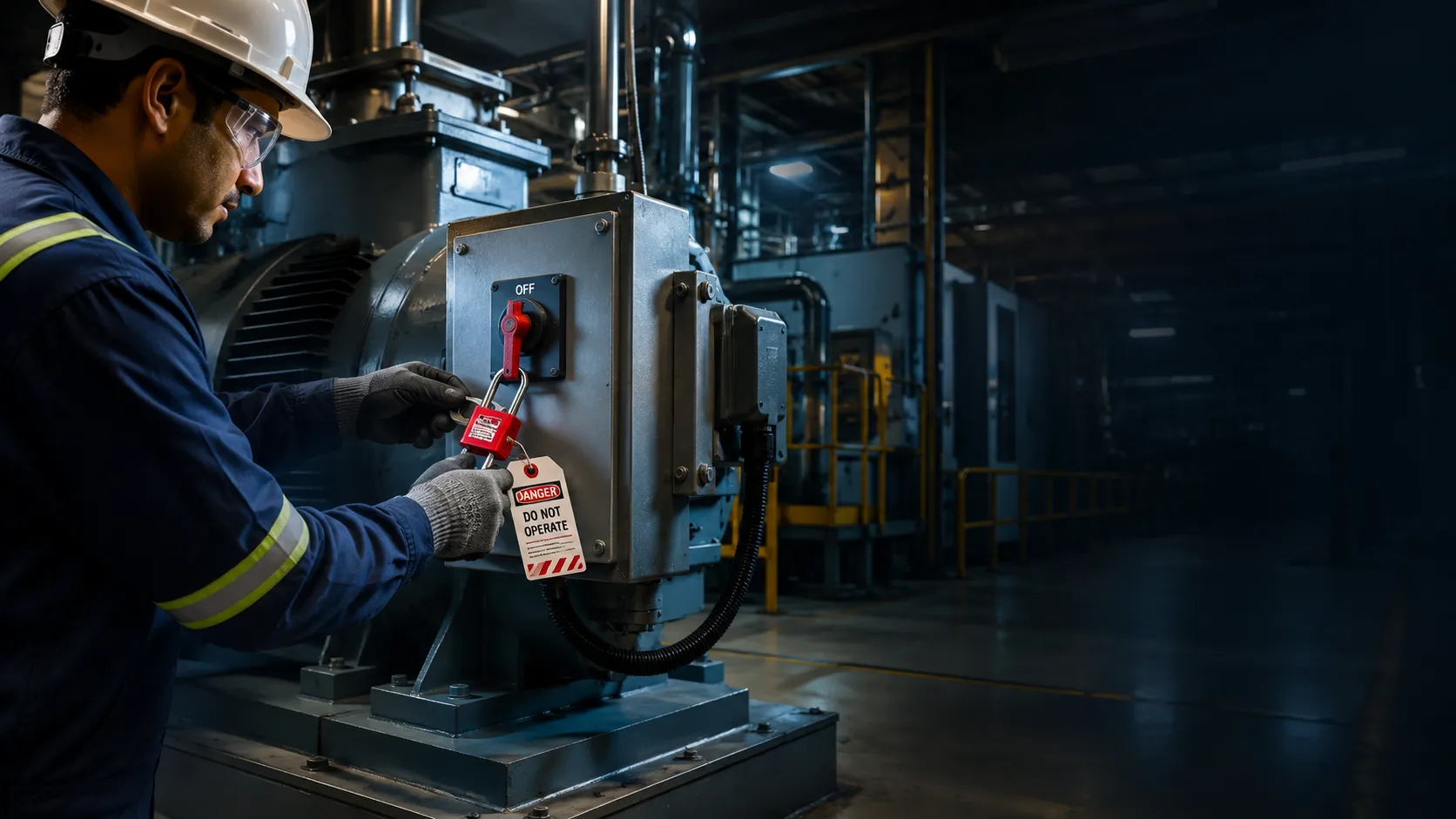
- Lockout/Tagout (LOTO) Training: Visual demonstrations help workers understand energy isolation procedures and reduce risks during maintenance activities.
- Confined Space Entry Training: Animations can demonstrate hazards, permits, safety checks, and emergency procedures before personnel enter confined spaces.
- Process Safety Training: Visual training can help operators understand abnormal conditions, process deviations, and emergency response procedures.
Key Benefits of Safety Training Animation
Organizations increasingly use safety training animation because it helps:
- Improve knowledge retention
- Increase worker engagement
- Standardize training across locations
- Reduce training-related misunderstandings
- Support multilingual workforces
- Improve hazard awareness
- Strengthen HSE compliance initiatives
These benefits align with widely recognized workplace safety best practices promoted by organizations such as the National Safety Council (NSC).
How Visual Training Supports HSE Compliance?
Effective HSE compliance depends on workers understanding, remembering, and applying safety procedures consistently, in line with workplace safety requirements established by the Occupational Safety and Health Administration (OSHA).
By standardizing training delivery and reducing the risk of misinterpretation, 3D safety animations help organizations improve safety awareness, strengthen compliance initiatives, and promote a safer working environment across operations.
At Immersiv Techsphere, we create industrial safety training animations that help organizations communicate complex safety procedures through realistic visual scenarios. Our expertise includes incident re-creation, emergency response training, equipment safety, process safety visualization, and EHS awareness programs designed to improve understanding and support HSE compliance initiatives.
FAQs
It uses animated visuals to demonstrate safety practices and workplace hazards.
It improves understanding, retention and practical application of safety procedures.
It ensures consistent understanding and reduces misinterpretation of safety guidelines.
Yes. Visual demonstrations reduce language barriers and help workers understand procedures more effectively.
Yes. Organizations often use animations during employee induction and safety orientation programs.
Yes, it helps visualize past incidents and improve learning outcomes.
Manufacturing, oil & gas, chemicals, construction, power generation, logistics, and process industries commonly use safety training animations.
Conclusion
Effective safety training is not just about sharing information, it is about ensuring that workers understand, remember, and apply safety procedures in real-world situations. Safety training animation helps bridge the gap between written instructions and practical understanding by visualizing hazards, procedures, and potential consequences.
As organizations continue to strengthen HSE compliance and workplace safety initiatives, visual training is becoming an increasingly valuable tool for improving engagement, consistency, and safety awareness across industrial environments.