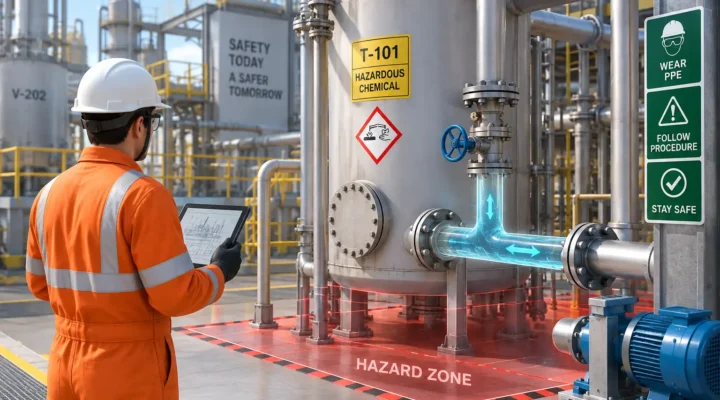
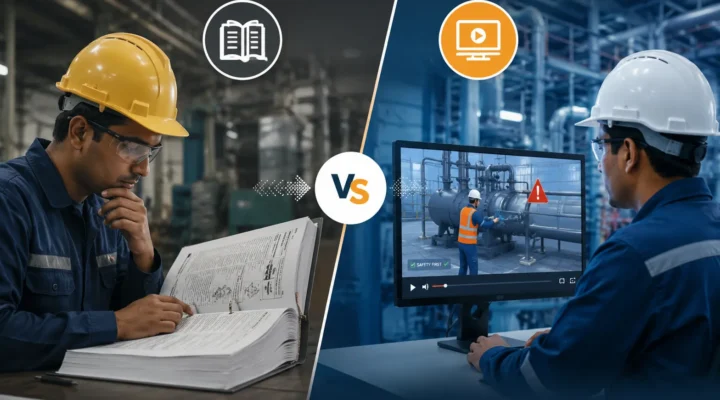
Introduction High-risk industrial procedures are difficult to teach with words alone. A written procedure can explain what workers must do. A safety checklist can identify
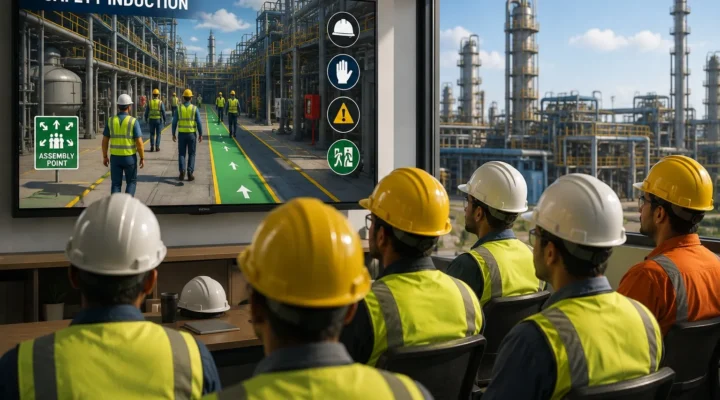
Introduction Industrial plants regularly depend on contractors for maintenance, shutdown activities, equipment installation, fabrication, inspections, civil work, electrical work, and other specialized tasks. Before entering
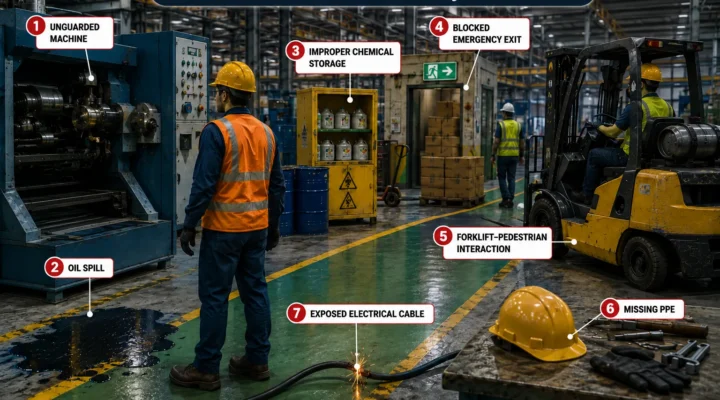
Introduction Hazard Identification Training is essential for helping employees recognize workplace hazards before they lead to injuries, equipment damage, or operational disruptions. However, identifying a
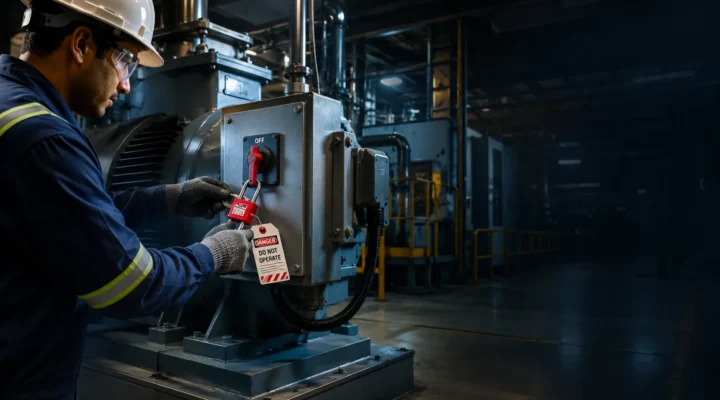
Introduction Industrial maintenance, repair, and servicing activities often expose workers to hazardous energy sources. Every year, workplace incidents occur because equipment is energized unexpectedly or
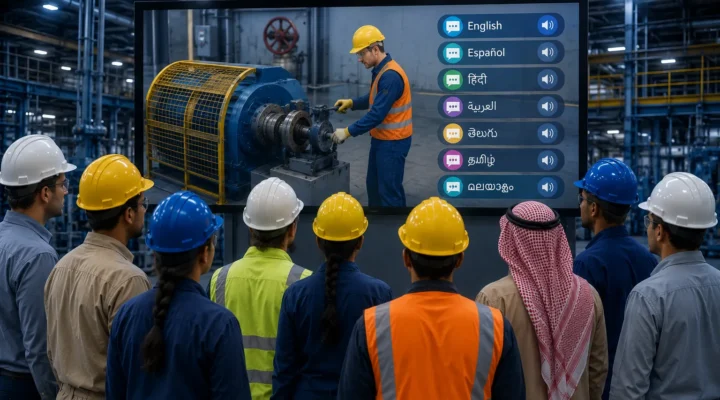
Introduction Modern manufacturing facilities, construction sites, oil & gas plants, pharmaceutical units, logistics hubs, and processing industries increasingly employ a multilingual workforce. Employees often come
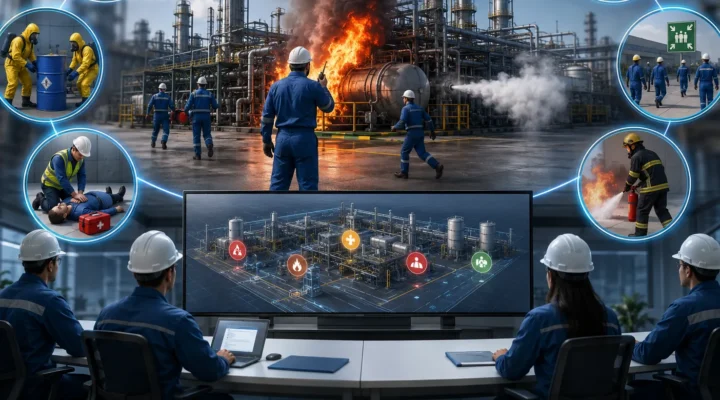
Introduction Industrial emergencies are unpredictable. A fire, chemical spill, gas leak, machinery failure, confined space incident, or electrical accident can escalate within minutes if employees
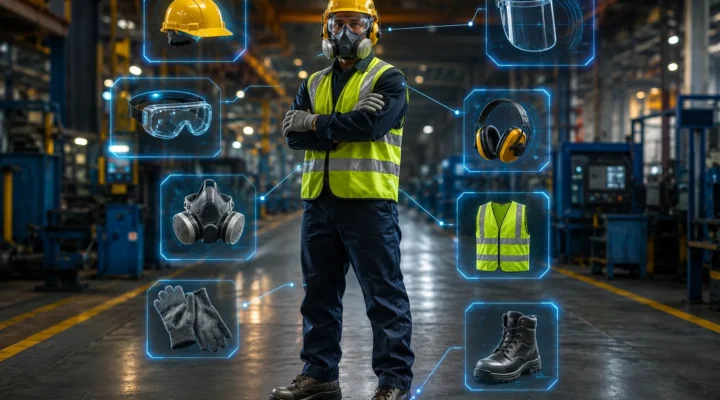
Introduction Personal Protective Equipment (PPE) is one of the most fundamental layers of workplace safety. Organizations across industries follow established Personal Protective Equipment (PPE) guidelines
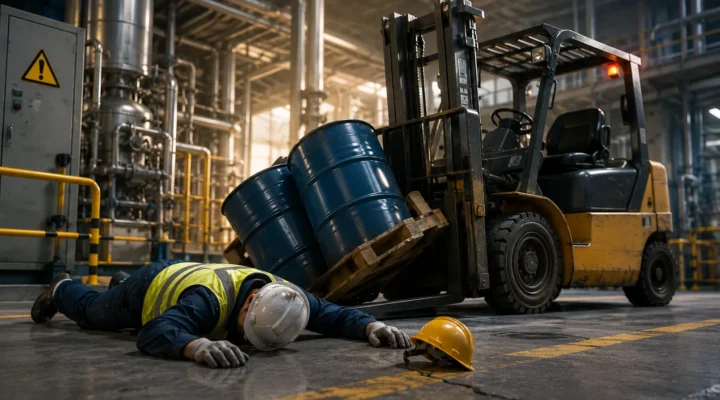
Introduction Imagine reading a ten-page incident investigation report describing a forklift collision, a chemical spill, or a machine malfunction. While the report contains every technical
Introduction In industrial safety training, the challenge is not the availability of procedures, but how effectively those procedures are understood and applied in real working