

Table of Contents
Introduction
Modern manufacturing facilities, construction sites, oil & gas plants, pharmaceutical units, logistics hubs, and processing industries increasingly employ a multilingual workforce. Employees often come from different states or countries, bringing diverse languages, educational backgrounds, and literacy levels. While this diversity strengthens operations, it also creates one of the biggest workplace safety challenges, effective communication.
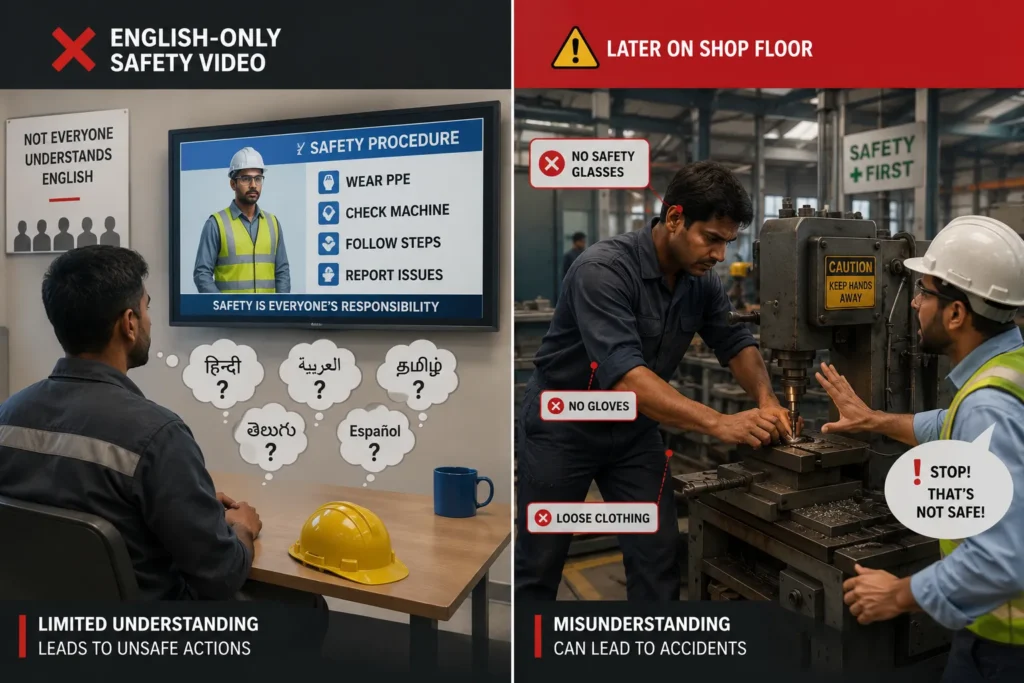
Many organizations invest significantly in safety procedures and follow internationally recognized occupational safety and health guidelines to reduce workplace risks and improve employee well-being. However, incidents continue to occur because workers may not fully understand instructions delivered only in English or a single regional language.
This is where Multilingual Safety Training Videos become a powerful solution. By delivering consistent safety instructions in employees’ native languages through engaging visual content, organizations can significantly improve understanding, retention, and workplace compliance.
This case study explores how multilingual EHS training videos transformed safety communication for a large industrial workforce.
The Challenge
A manufacturing company operating multiple production units employed workers from several linguistic backgrounds.
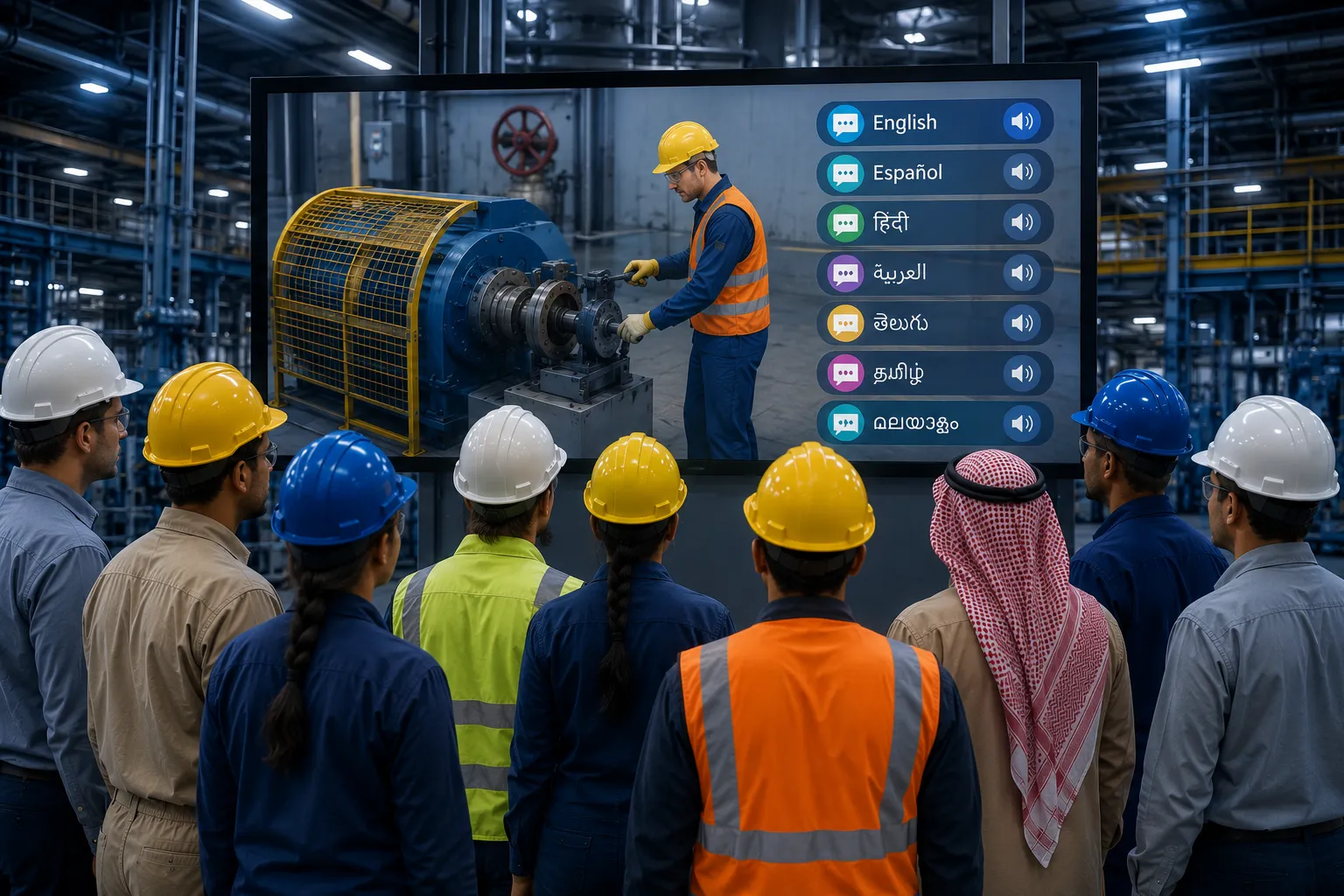
The workforce included operators, technicians, contract workers, maintenance teams, and housekeeping staff speaking languages such as:
- English
- Hindi
- Gujarati
- Marathi
- Tamil
- Telugu
- Bengali
- Arabic
- Spanish
During safety audits, the company identified several recurring issues:
- Workers misunderstood machine operating procedures.
- Emergency evacuation instructions were not consistently followed.
- PPE usage varied across departments.
- Contract workers required repeated safety briefings.
- Toolbox talks consumed considerable supervisor time.
- New employee induction quality depended heavily on individual trainers.
Although safety manuals existed, many workers preferred visual demonstrations over lengthy documents.
The Existing Training Process
The company relied primarily on classroom sessions and verbal explanations.
Typical induction involved:
- PowerPoint presentations
- Printed SOPs
- Instructor-led demonstrations
- Question-and-answer sessions
Several challenges emerged:
- Inconsistent Delivery
Different trainers explained procedures differently, leading to variations in employee understanding. - Language Barriers
Supervisors often translated safety instructions on the spot, increasing the risk of missing critical details. - Low Information Retention
Workers struggled to remember lengthy verbal explanations, especially for emergency procedures that were rarely practiced. - High Training Time
Each new batch required separate sessions for different language groups.
The Solution: Multilingual Safety Training Videos
Instead of conducting repeated classroom explanations, the organization developed a library of multilingual safety training videos covering major workplace hazards.Organizations increasingly use EHS training animations to standardize safety communication, simplify complex procedures, and deliver consistent training across multilingual workforces.
Each module included:
- Industrial 3D animations
- Realistic workplace scenarios
- Voiceovers in multiple languages
- Native-language subtitles
- Standardized safety terminology
- Step-by-step operating procedures
- Emergency response demonstrations
- PPE requirements
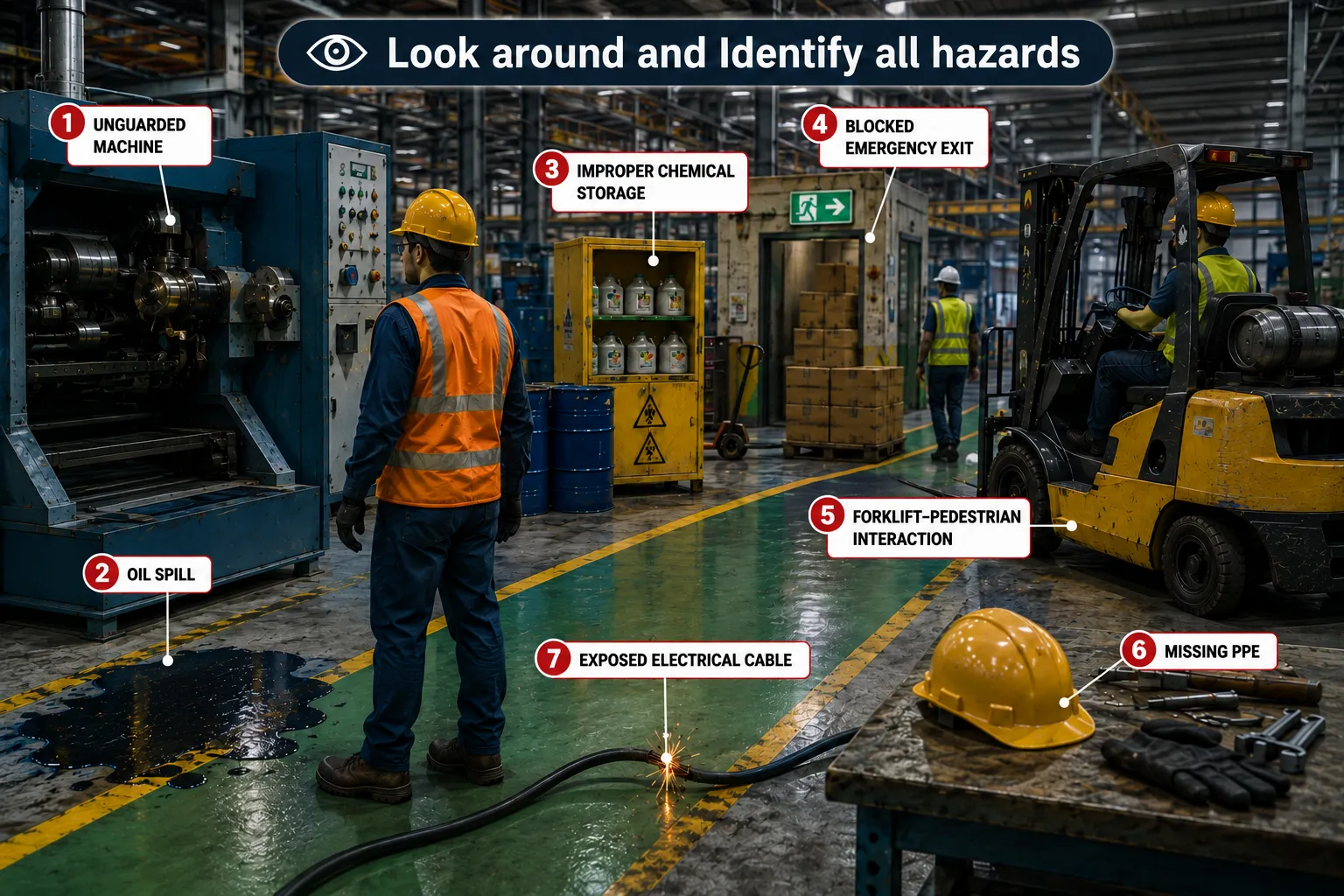
- Hazard identification
- Lockout/Tagout procedures
- Fire safety instructions
The visual-first approach ensured that even workers with limited literacy could easily understand the training.
Training Modules Included
Before developing a multilingual training program, it helps to explore examples of industrial safety training videos to understand how animation, storytelling, and visual demonstrations improve employee engagement.
The multilingual video library covered:
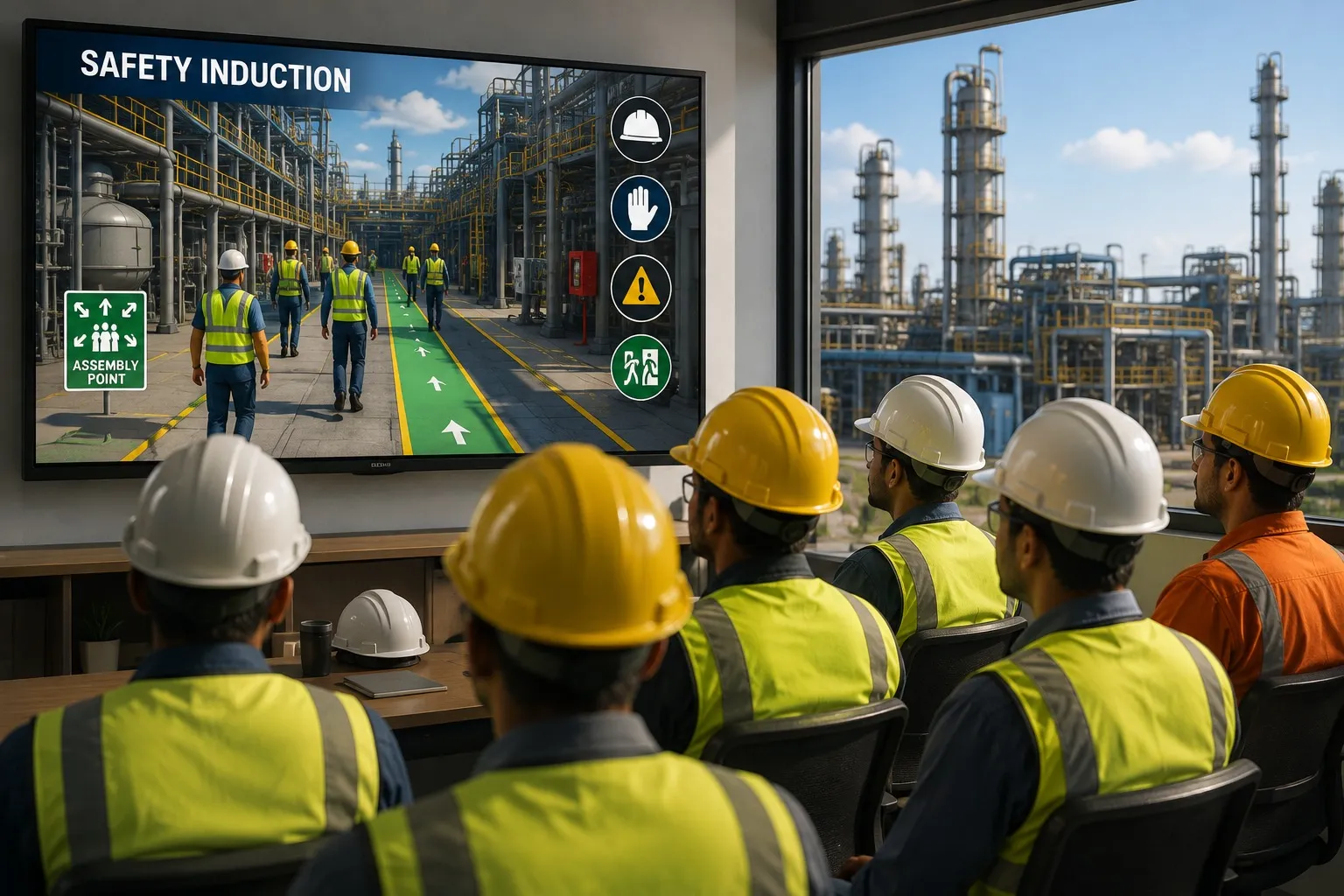
1. Employee Safety Induction
Every new employee received identical safety instructions regardless of trainer or location.
2. Machine Safety
Animations demonstrated:
- Safe machine operation
- Rotating equipment hazards
- Pinch points
- Emergency stop procedures
- Safe maintenance practices
3. PPE Training
Workers learned:
- Correct PPE selection
- Proper wearing methods
- Common mistakes
- Inspection procedures
- Replacement guidelines
4. Emergency Response
Videos demonstrated:
- Fire emergencies
- Chemical spills
- Medical emergencies
- Gas leak response
- Evacuation routes
- Assembly points
5. Hazard Communication
Employees learned to recognize:
- Warning signs
- Safety labels
- Color codes
- Chemical symbols
- Restricted areas
These practices align with the OSHA Hazard Communication Standard, which emphasizes effective communication of chemical hazards in the workplace.
6. Contractor Safety
External contractors completed standardized multilingual induction before entering production areas.
Why Visual Learning Works Better
Many industrial tasks involve movement, machinery, equipment, and processes that are difficult to explain using text alone.
Industrial safety animation demonstrates:
- Correct actions
- Unsafe behaviors
- Consequences of mistakes
- Equipment operation
- Hazard zones
- Emergency procedures
Workers understand not just what to do but why it matters.
This visual clarity significantly reduces ambiguity compared to written instructions.
Measurable Results
Within several months of implementation, the organization observed measurable improvements.
- Better Training Consistency
Every employee received identical safety instructions regardless of trainer, location, or shift. - Improved Workforce Compliance
Workers followed PPE requirements more consistently because expectations were clearly demonstrated rather than simply described. - Faster Employee Onboarding
New employees completed safety induction more efficiently, reducing supervisor involvement while maintaining training quality. - Better Emergency Preparedness
Employees became more familiar with evacuation routes and emergency response procedures after repeatedly viewing animated demonstrations. - Reduced Supervisor Workload
Supervisors spent less time repeating routine safety explanations and more time focusing on operational safety observations. - Higher Knowledge Retention
Visual demonstrations made procedures easier to remember during daily operations.
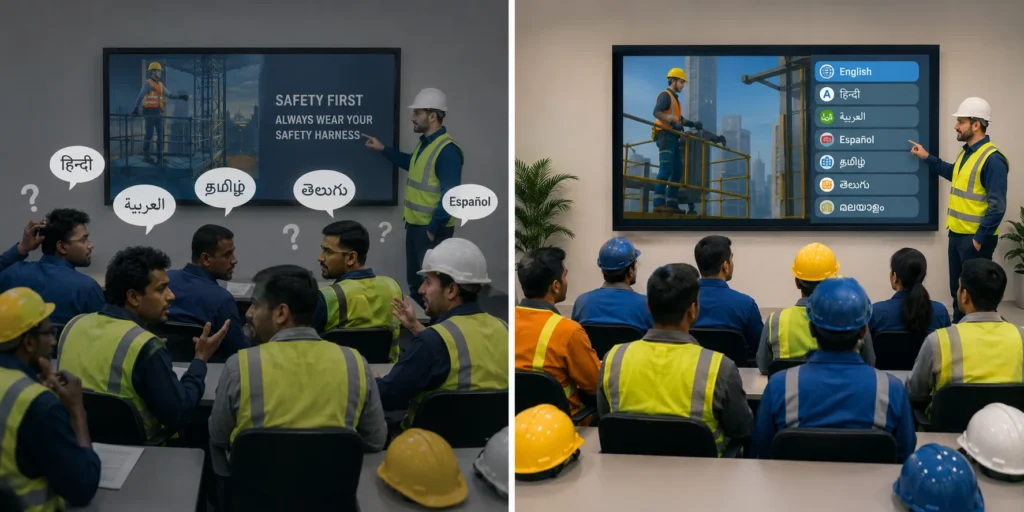
Why Multiple Languages Matter
Safety is only effective when instructions are fully understood.
Providing training in employees’ preferred languages offers several advantages:
- Removes Misinterpretation
Workers understand procedures directly instead of relying on informal translations. - Increases Confidence
Employees are more likely to ask questions and follow procedures when training is delivered in a familiar language. - Improves Participation
Workers engage more actively during training sessions when they understand the content completely. - Supports Diverse Workforces
Industries employing migrant or contract workers can maintain consistent safety standards across all teams. - Strengthens Safety Culture
Employees feel included when organizations invest in communication that meets their needs.
Industries That Benefit Most
Multilingual safety training videos are valuable across industries with diverse workforces, including:
- Manufacturing
- Oil & Gas
- Chemical Processing
- Pharmaceuticals
- Construction
- Logistics & Warehousing
- Food Processing
- Power Plants
- Mining
- Heavy Engineering
- Infrastructure Projects
- Automotive Manufacturing
Best Practices for Developing Multilingual Safety Videos
Organizations achieve the best results when they:
- Use simple, industry-specific language.
- Prioritize visuals over text-heavy slides.
- Include professional native-language voiceovers.
- Maintain consistent terminology across all languages.
- Demonstrate both correct and incorrect practices.
- Update videos whenever SOPs or regulations change.
- Ensure videos are accessible on mobile devices, training kiosks, and LMS platforms.
- Reinforce learning through periodic refresher modules.
Beyond Compliance: Building a Safer Workplace
Regulatory compliance is an important objective, but effective safety training delivers broader operational benefits.
When workers clearly understand procedures, organizations often experience:
- Better hazard awareness
- More consistent SOP adherence
- Improved reporting of unsafe conditions
- Greater employee confidence
- Reduced operational disruptions
- Stronger overall safety culture
Multilingual safety training videos help bridge communication gaps that written manuals and one-time classroom sessions often cannot address.
Conclusion
As industrial workforces become increasingly diverse, language should never become a barrier to workplace safety. Organizations that invest in Multilingual Safety Training Videos create a standardized, engaging, and accessible learning experience for every employee, regardless of their native language.
By combining industrial 3D animation, localized voiceovers, and clear visual demonstrations, companies can improve workforce understanding, strengthen compliance, reduce training inconsistencies, and build a more resilient safety culture.
For organizations operating across multiple locations or employing multilingual teams, multilingual safety videos are no longer just a training enhancement, they are a strategic investment in safer operations, better communication, and long-term workforce compliance